 Français
 English
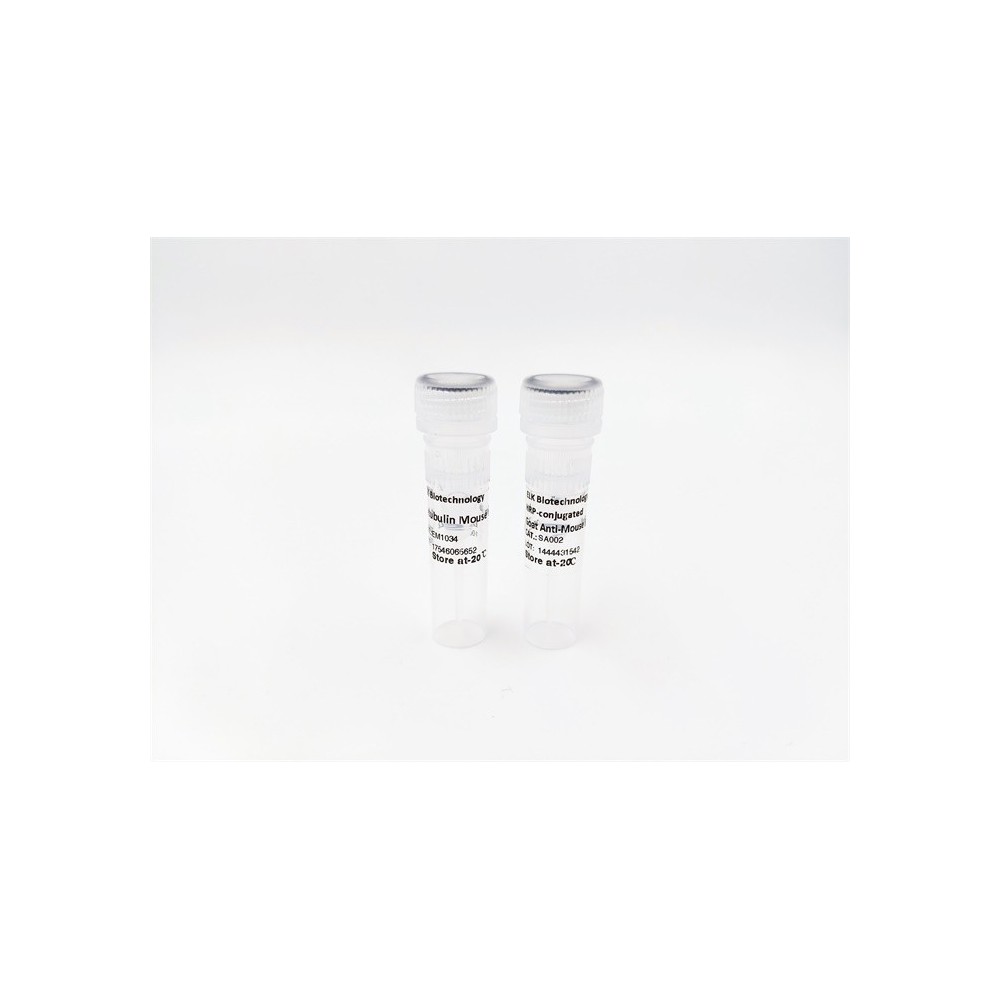

| ELK.No | EA019 |
| Product name | Plant GST Rabbit pAb |
| Reactivity | Various Plants |
| Applications | WB |
| Other name | |
| Size | 100μL |
| Unit price ($) | 248 |
| Human gene ID | |
| Human Swiss-Prot | |
| Source | Rabbit |
| Isotype | IgG |
| Target | |
| Fields | |
| Gene name | |
| Protein name | |
| Human gene link | |
| Human Swiss link | |
| Mouse gene ID | |
| Mouse gene link | |
| Mouse Swiss-Prot | |
| Mouse Swiss link | |
| Rat gene ID | |
| Rat gene link | |
| Rat Swiss-Prot | |
| Rat Swiss link | |
| Immunogen | Recombinant Protein |
| Specificity | |
| Formulation | |
| Clonality | Polyclonal |
| Dilution | WB 1:3,000-10,000 |
| Purification | |
| Concentration | 1mg/mL |
| Storage stability | PBS with 0.02% sodium azide and 50% glycerol pH 7.4. Store at -20°C. Avoid repeated freeze-thaw cycles. |
| Molecular Weight (Da) | |
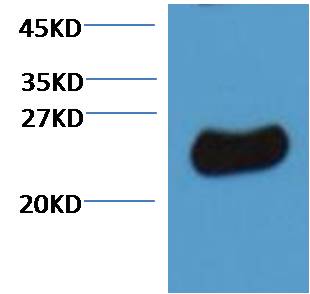
| Observed band (KD) | 24kDa |
| Background | The soluble glutathione transferases (GSTs) are encoded by a large and diverse gene family in plants. GSTs are predominantly expressed in the cytosol, where their GSH-dependent catalytic functions include the conjugation and resulting detoxification of herbicides, the reduction of organic hydroperoxides formed during oxidative stress and the isomerization of maleylacetoacetate to fumarylacetoacetate, a key step in the catabolism of tyrosine. GSTs also have non-catalytic roles, binding flavonoid natural products in the cytosol prior to their deposition in the vacuole. |
| Function | |
| Subcellular location | |
| Expression |

Use collapsible tabs for more detailed information that will help customers make a purchasing decision.
Ex: Shipping and return policies, size guides, and other common questions.