 Français
 English
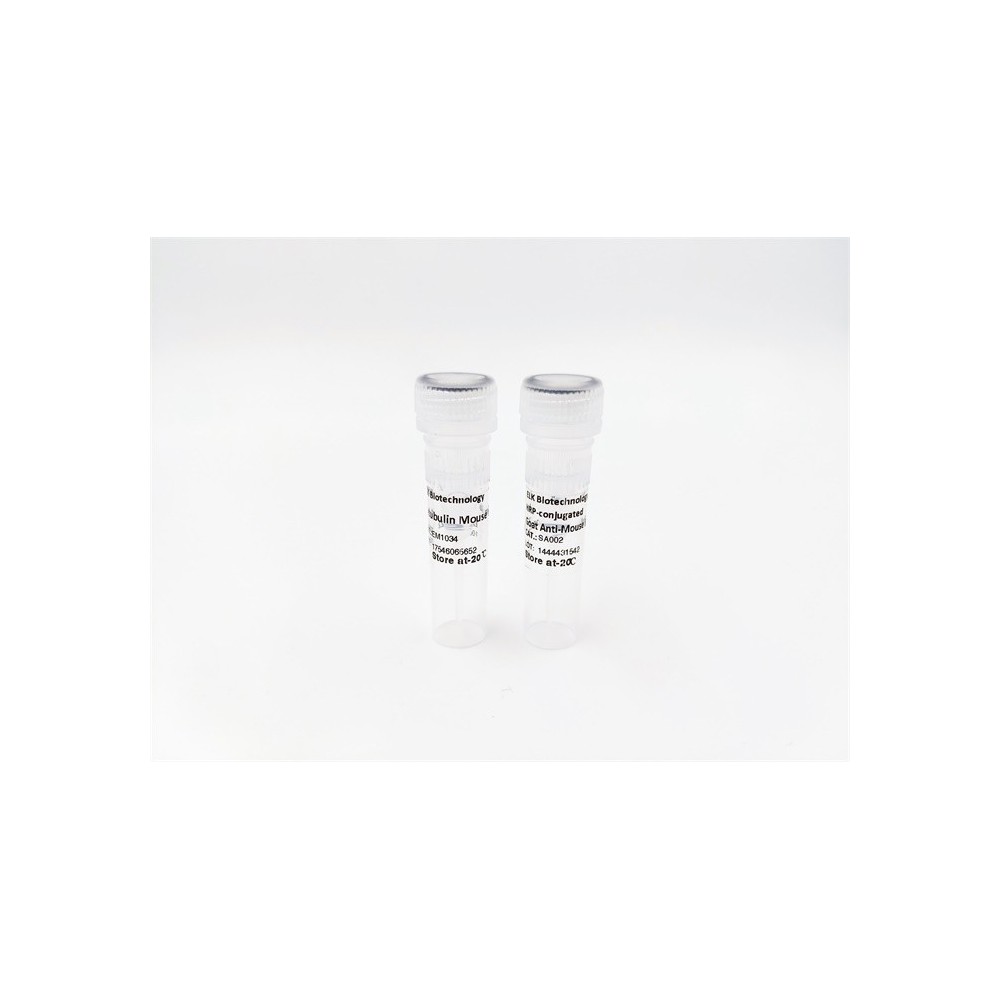

| ELK.No | ES13045 |
| Product name | SMS1 rabbit pAb |
| Reactivity | Human; Mouse;Rat |
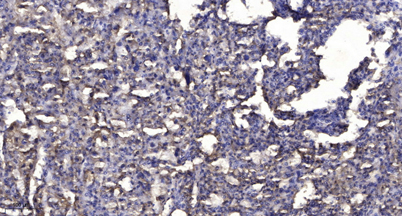
| Applications | WB;ELISA;IHC |
| Other name | |
| Size | 50μL |
| Unit price ($) | 148 |
| Human gene ID | 259230 |
| Human Swiss-Prot | Q86VZ5 |
| Source | Rabbit |
| Isotype | IgG |
| Target | SMS1 |
| Fields | >>Sphingolipid metabolism;>>Metabolic pathways;>>Sphingolipid signaling pathway |
| Gene name | SGMS1 MOB SMS1 TMEM23 |
| Protein name | SMS1 |
| Human gene link | View Human Gene |
| Human Swiss link | View Human Swiss-Prot |
| Mouse gene ID | 208449 |
| Mouse gene link | View Mouse Gene |
| Mouse Swiss-Prot | Q8VCQ6 |
| Mouse Swiss link | View Mouse Swiss-Prot |
| Rat gene ID | 353229 |
| Rat gene link | View Rat Gene |
| Rat Swiss-Prot | Q7TSX5 |
| Rat Swiss link | View Rat Swiss-Prot |
| Immunogen | Synthesized peptide derived from human SMS1 AA range: 156-206 |
| Specificity | This antibody detects endogenous levels of SMS1 at Human/Mouse/Rat |
| Formulation | Liquid in PBS containing 50% glycerol, 0.5% BSA and 0.02% sodium azide. |
| Clonality | Polyclonal |
| Dilution | WB 1:500-2000;IHC-p 1:50-300; ELISA 2000-20000 |
| Purification | The antibody was affinity-purified from rabbit serum by affinity-chromatography using specific immunogen. |
| Concentration | 1 mg/ml |
| Storage stability | -20°C/1 year |
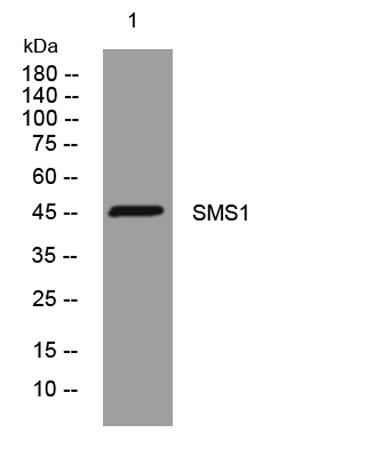
| Molecular Weight (Da) | 46kD |
| Observed band (KD) | |
| Background | The protein encoded by this gene is predicted to be a five-pass transmembrane protein. This gene may be predominately expressed in brain. [provided by RefSeq, Jul 2008], |
| Function | catalytic activity:A ceramide + a phosphatidylcholine = a sphingomyelin + a 1,2-diacyl-sn-glycerol.,enzyme regulation:Inhibited by bacterial PC-phospholipase C inhibitor D609.,function:Bidirectional lipid cholinephosphotransferase capable of converting phosphatidylcholine (PC) and ceramide to sphingomyelin (SM) and diacylglycerol (DAG) and vice versa. Direction is dependent on the relative concentrations of DAG and ceramide as phosphocholine acceptors. Directly and specifically recognizes the choline head group on the substrate. Also requires two fatty chains on the choline-P donor molecule in order to be recognized efficiently as a substrate. Does not function strictly as a SM synthase. Suppresses BAX-mediated apoptosis and also prevents cell death in response to stimuli such as hydrogen peroxide, osmotic stress, elevated temperature and exogenously supplied sphingolipids. May protect a |
| Subcellular location | Golgi apparatus membrane ; Multi-pass membrane protein . |
| Expression | Brain, heart, kidney, liver, muscle and stomach. |

Use collapsible tabs for more detailed information that will help customers make a purchasing decision.
Ex: Shipping and return policies, size guides, and other common questions.