 Français
 English
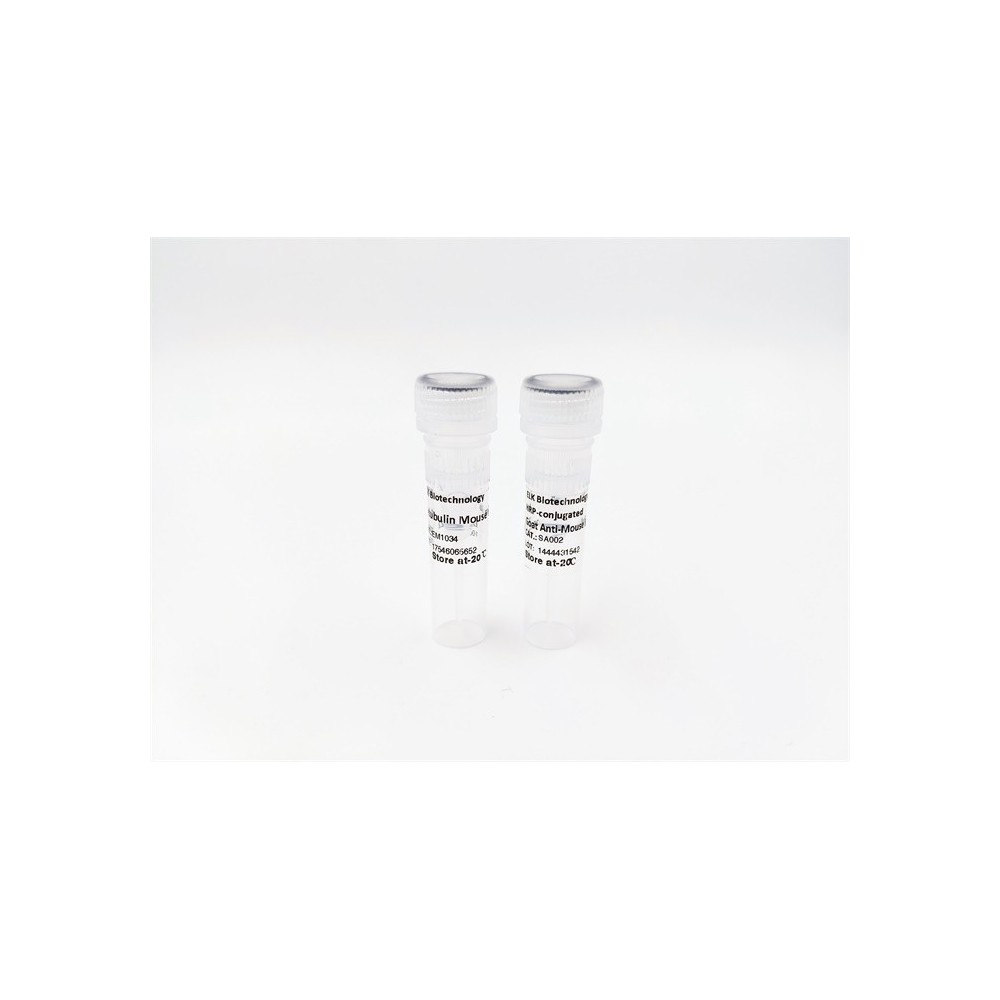

| ELK.No | ES14196 |
| Product name | PCSK5 rabbit pAb |
| Reactivity | Human; Mouse;Rat |
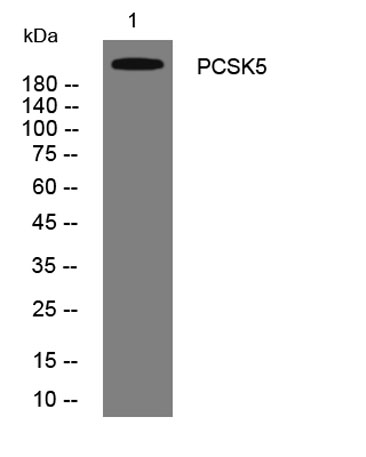
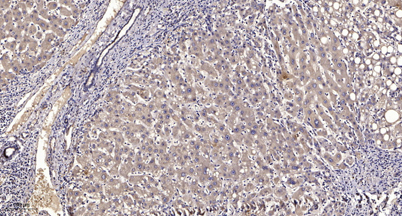
| Applications | WB;ELISA;IHC |
| Other name | |
| Size | 50μL |
| Unit price ($) | 148 |
| Human gene ID | 5125 |
| Human Swiss-Prot | Q92824 |
| Source | Rabbit |
| Isotype | IgG |
| Target | PCSK5 |
| Fields | |
| Gene name | PCSK5 PC5 PC6 |
| Protein name | PCSK5 |
| Human gene link | View Human Gene |
| Human Swiss link | View Human Swiss-Prot |
| Mouse gene ID | 18552 |
| Mouse gene link | View Mouse Gene |
| Mouse Swiss-Prot | Q04592 |
| Mouse Swiss link | View Mouse Swiss-Prot |
| Rat gene ID | 116548 |
| Rat gene link | View Rat Gene |
| Rat Swiss-Prot | P41413 |
| Rat Swiss link | View Rat Swiss-Prot |
| Immunogen | Synthesized peptide derived from human PCSK5 AA range: 1507-1557 |
| Specificity | This antibody detects endogenous levels of PCSK5 at Human/Mouse/Rat |
| Formulation | Liquid in PBS containing 50% glycerol, 0.5% BSA and 0.02% sodium azide. |
| Clonality | Polyclonal |
| Dilution | WB 1:500-2000;IHC-p 1:50-300; ELISA 2000-20000 |
| Purification | The antibody was affinity-purified from rabbit serum by affinity-chromatography using specific immunogen. |
| Concentration | 1 mg/ml |
| Storage stability | -20°C/1 year |
| Molecular Weight (Da) | 205kD |
| Observed band (KD) | |
| Background | This gene encodes a member of the subtilisin-like proprotein convertase family, which includes proteases that process protein and peptide precursors trafficking through regulated or constitutive branches of the secretory pathway. The encoded protein undergoes an initial autocatalytic processing event in the ER to generate a heterodimer which exits the ER. It then sorts to the trans-Golgi network where a second autocatalytic event takes place and the catalytic activity is acquired. This encoded protein is widely expressed and one of the seven basic amino acid-specific members which cleave their substrates at single or paired basic residues. It mediates posttranslational endoproteolytic processing for several integrin alpha subunits and is thought to process prorenin, pro-membrane type-1 matrix metalloproteinase and HIV-1 glycoprotein gp160. Alternative splicing results in multiple transcript variants, some of which encode distinct isoforms, including a protease packaged into dense core granules (PC5A) and a type 1 membrane bound protease (PC5B). [provided by RefSeq, May 2014], |
| Function | alternative products:2 isoforms may be produced,catalytic activity:Release of mature proteins from their proproteins by cleavage of Arg-Xaa-Yaa-Arg-|-Zaa bonds, where Xaa can be any amino acid and Yaa is Arg or Lys.,domain:The propeptide domain acts as an intramolecular chaperone assisting the folding of the zymogen within the endoplasmic reticulum.,function:Likely to represent a widespread endoprotease activity within the constitutive and regulated secretory pathway. Capable of cleavage at the RX(K/R)R consensus motif.,similarity:Belongs to the peptidase S8 family.,similarity:Contains 1 homo B/P domain.,similarity:Contains 1 PLAC domain.,tissue specificity:Expressed in T-lymphocytes., |
| Subcellular location | [Isoform PC6A]: Secreted. Secreted through the regulated secretory pathway. .; [Isoform PC6B]: Endomembrane system; Single-pass type I membrane protein. Type I membrane protein localized to a paranuclear post-Golgi network compartment in communication with early endosomes. . |
| Expression | Expressed in T-lymphocytes. |

Use collapsible tabs for more detailed information that will help customers make a purchasing decision.
Ex: Shipping and return policies, size guides, and other common questions.