 Français
 English

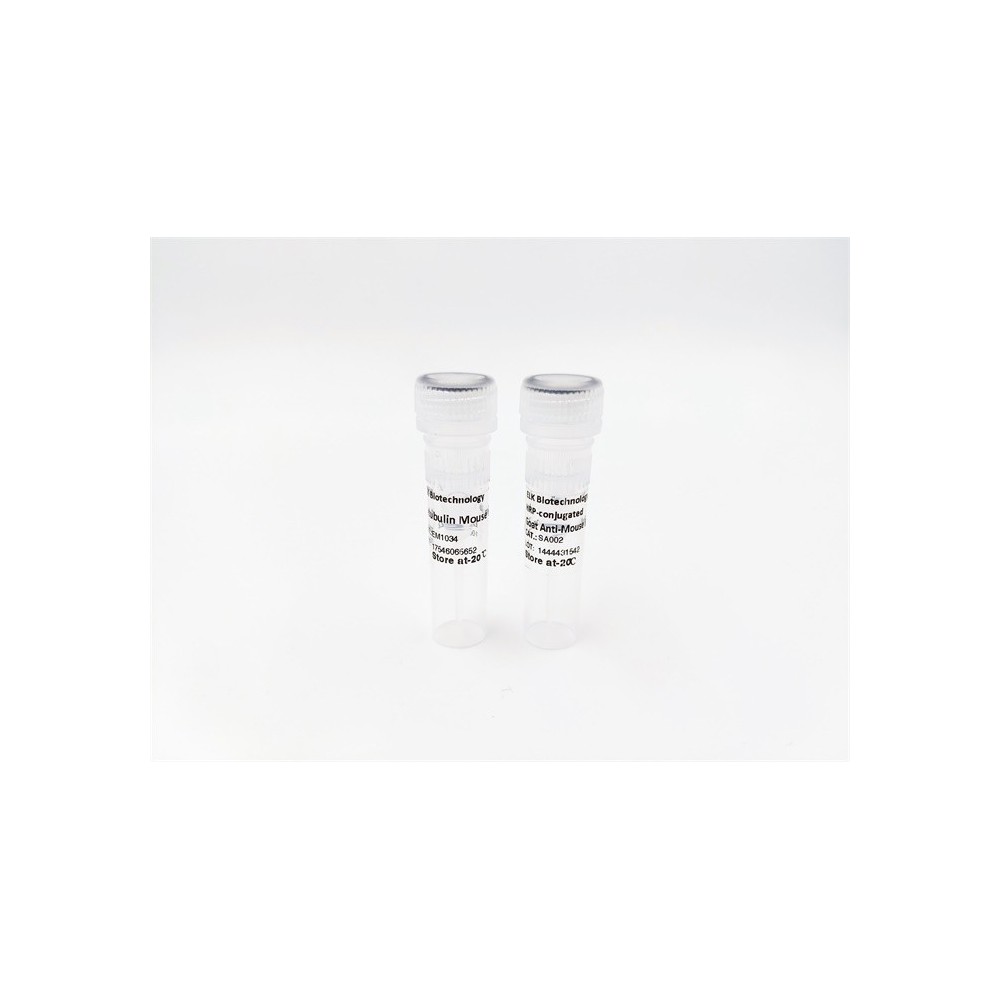

| ELK.No | ES16294 |
| Product name | G6PC2 rabbit pAb |
| Reactivity | Human; Mouse |
| Applications | WB |
| Other name | Glucose-6-phosphatase 2 (G-6-Pase 2) (G6Pase 2) (EC 3.1.3.9) (Islet-specific glucose-6-phosphatase catalytic subunit-related protein) |
| Size | 100μL |
| Unit price ($) | 248 |
| Human gene ID | 57818 |
| Human Swiss-Prot | Q9NQR9 |
| Source | Rabbit |
| Isotype | IgG |
| Target | G6PC2 |
| Fields | >>Glycolysis / Gluconeogenesis;>>Galactose metabolism;>>Starch and sucrose metabolism;>>Metabolic pathways;>>FoxO signaling pathway;>>PI3K-Akt signaling pathway;>>AMPK signaling pathway;>>Insulin signaling pathway;>>Adipocytokine signaling pathway;>>Glucagon signaling pathway;>>Insulin resistance;>>Carbohydrate digestion and absorption |
| Gene name | G6PC2 IGRP |
| Protein name | G6PC2 |
| Human gene link | View Human Gene |
| Human Swiss link | View Human Swiss-Prot |
| Mouse gene ID | 14378 |
| Mouse gene link | View Mouse Gene |
| Mouse Swiss-Prot | Q9Z186 |
| Mouse Swiss link | View Mouse Swiss-Prot |
| Rat gene ID | |
| Rat gene link | |
| Rat Swiss-Prot | |
| Rat Swiss link | |
| Immunogen | Synthesized peptide derived from human G6PC2 AA range: 175-225 |
| Specificity | This antibody detects endogenous levels of G6PC2 at Human/Mouse |
| Formulation | Liquid in PBS containing 50% glycerol, 0.5% BSA and 0.67% sodium azide. |
| Clonality | Polyclonal |
| Dilution | WB 1:500-2000 |
| Purification | The antibody was affinity-purified from rabbit serum by affinity-chromatography using specific immunogen. |
| Concentration | 1 mg/ml |
| Storage stability | -20°C/1 year |
| Molecular Weight (Da) | |
| Observed band (KD) | 38kD |
| Background | This gene encodes an enzyme belonging to the glucose-6-phosphatase catalytic subunit family. These enzymes are part of a multicomponent integral membrane system that catalyzes the hydrolysis of glucose-6-phosphate, the terminal step in gluconeogenic and glycogenolytic pathways, allowing the release of glucose into the bloodstream. The family member encoded by this gene is found in pancreatic islets and does not exhibit phosphohydrolase activity, but it is a major target of cell-mediated autoimmunity in diabetes. Several alternatively spliced transcript variants of this gene have been described, but their biological validity has not been determined. [provided by RefSeq, Jul 2008], |
| Function | catalytic activity:D-glucose 6-phosphate + H(2)O = D-glucose + phosphate.,disease:Genetic variation in G6PC2 is associated with fasting plasma glucose levels quantitative trait locus type 1 (FGQTL1) [MIM:612108]. The normal fasting plasma glucose level in the plasma is defined as less than 100 mg per deciliter (5.55 mmol per liter). Higher fasting plasma glucose levels predict type 2 diabetes in young adults and increases the risk of mortality.,function:May hydrolyze glucose-6-phosphate to glucose in the endoplasmic reticulum. May be responsible for glucose production through glycogenolysis and gluconeogenesis.,pathway:Carbohydrate biosynthesis; gluconeogenesis.,PTM:N-glycosylated; the non-glycosylated form is more unstable and is degraded through the proteasome.,similarity:Belongs to the glucose-6-phosphatase family.,tissue specificity:Specifically expressed in pancreas and also detecte |
| Subcellular location | Endoplasmic reticulum membrane ; Multi-pass membrane protein . |
| Expression | Specifically expressed in pancreas and also detected to a lower extent in testis. Expressed by most islet cells in the pancreas (at protein level). |


Use collapsible tabs for more detailed information that will help customers make a purchasing decision.
Ex: Shipping and return policies, size guides, and other common questions.