 Français
 English
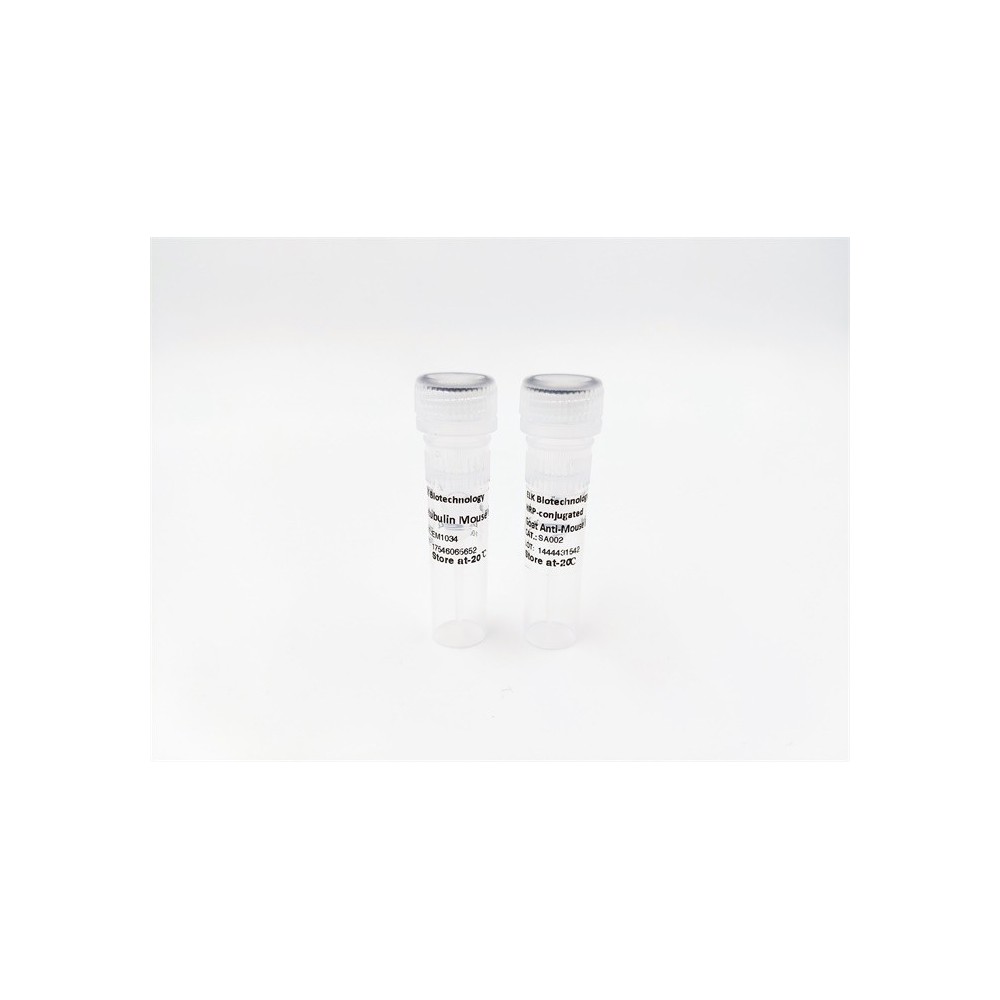

| ELK.No | ES3440 |
| Product name | SH-PTP2 rabbit pAb |
| Reactivity | Human;Mouse;Rat |
| Applications | WB;IHC;IF;ELISA |
| Other name | PTPN11; PTP2C; SHPTP2; Tyrosine-protein phosphatase non-receptor type 11; Protein-tyrosine phosphatase 1D; PTP-1D; Protein-tyrosine phosphatase 2C; PTP-2C; SH-PTP2; SHP-2; Shp2; SH-PTP3 |
| Size | 100μL |
| Unit price ($) | 248 |
| Human gene ID | 5781 |
| Human Swiss-Prot | Q06124 |
| Source | Rabbit |
| Isotype | IgG |
| Target | SH-PTP2 |
| Fields | >>Ras signaling pathway;>>Phospholipase D signaling pathway;>>Axon guidance;>>C-type lectin receptor signaling pathway;>>JAK-STAT signaling pathway;>>Natural killer cell mediated cytotoxicity;>>Leukocyte transendothelial migration;>>Neurotrophin signaling pathway;>>Adipocytokine signaling pathway;>>Insulin resistance;>>Epithelial cell signaling in Helicobacter pylori infection;>>Pathogenic Escherichia coli infection;>>Herpes simplex virus 1 infection;>>Proteoglycans in cancer;>>Chemical carcinogenesis - reactive oxygen species;>>Renal cell carcinoma;>>Chronic myeloid leukemia;>>PD-L1 expression and PD-1 checkpoint pathway in cancer |
| Gene name | PTPN11 |
| Protein name | Tyrosine-protein phosphatase non-receptor type 11 |
| Human gene link | View Human Gene |
| Human Swiss link | View Human Swiss-Prot |
| Mouse gene ID | 19247 |
| Mouse gene link | View Mouse Gene |
| Mouse Swiss-Prot | P35235 |
| Mouse Swiss link | View Mouse Swiss-Prot |
| Rat gene ID | 25622 |
| Rat gene link | View Rat Gene |
| Rat Swiss-Prot | P41499 |
| Rat Swiss link | View Rat Swiss-Prot |
| Immunogen | The antiserum was produced against synthesized peptide derived from human SHP-2. AA range:508-557 |
| Specificity | SH-PTP2 Polyclonal Antibody detects endogenous levels of SH-PTP2 protein. |
| Formulation | Liquid in PBS containing 50% glycerol, 0.5% BSA and 0.02% sodium azide. |
| Clonality | Polyclonal |
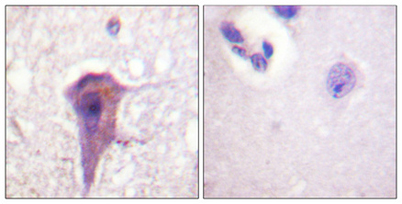
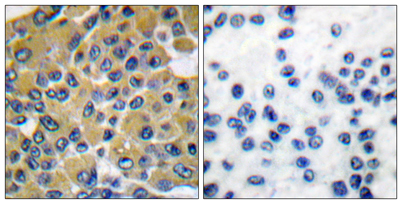
| Dilution | Western Blot: 1/500 - 1/2000. Immunohistochemistry: 1/100 - 1/300. ELISA: 1/40000. Not yet tested in other applications. |
| Purification | The antibody was affinity-purified from rabbit antiserum by affinity-chromatography using epitope-specific immunogen. |
| Concentration | 1 mg/ml |
| Storage stability | -20°C/1 year |
| Molecular Weight (Da) | |
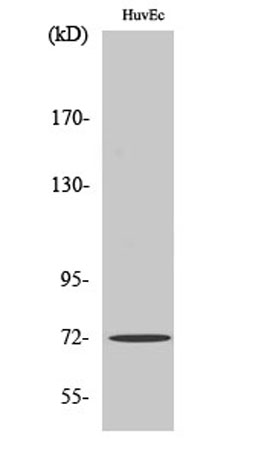
| Observed band (KD) | 70kD |
| Background | The protein encoded by this gene is a member of the protein tyrosine phosphatase (PTP) family. PTPs are known to be signaling molecules that regulate a variety of cellular processes including cell growth, differentiation, mitotic cycle, and oncogenic transformation. This PTP contains two tandem Src homology-2 domains, which function as phospho-tyrosine binding domains and mediate the interaction of this PTP with its substrates. This PTP is widely expressed in most tissues and plays a regulatory role in various cell signaling events that are important for a diversity of cell functions, such as mitogenic activation, metabolic control, transcription regulation, and cell migration. Mutations in this gene are a cause of Noonan syndrome as well as acute myeloid leukemia. [provided by RefSeq, Aug 2016], |
| Function | catalytic activity:Protein tyrosine phosphate + H(2)O = protein tyrosine + phosphate.,disease:Defects in PTPN11 are a cause of juvenile myelomonocytic leukemia (JMML) [MIM:607785]. JMML is a pediatric myelodysplastic syndrome that constitutes approximately 30% of childhood cases of myelodysplastic syndrome (MDS) and 2% of leukemia. It is characterized by leukocytosis with tissue infiltration and in vitro hypersensitivity of myeloid progenitors to granulocyte-macrophage colony stimulating factor.,disease:Defects in PTPN11 are a cause of Noonan-like syndrome [MIM:163955]; also known as Noonan-like/multiple giant cell lesion syndrome. It is an autosomal dominant disorder characterized by Noonan features associates with giant cell lesions of bone and soft tissue.,disease:Defects in PTPN11 are the cause of LEOPARD syndrome [MIM:151100]. It is an autosomal dominant disorder allelic with Noonan |
| Subcellular location | Cytoplasm . Nucleus . |
| Expression | Widely expressed, with highest levels in heart, brain, and skeletal muscle. |

Use collapsible tabs for more detailed information that will help customers make a purchasing decision.
Ex: Shipping and return policies, size guides, and other common questions.