 Français
 English
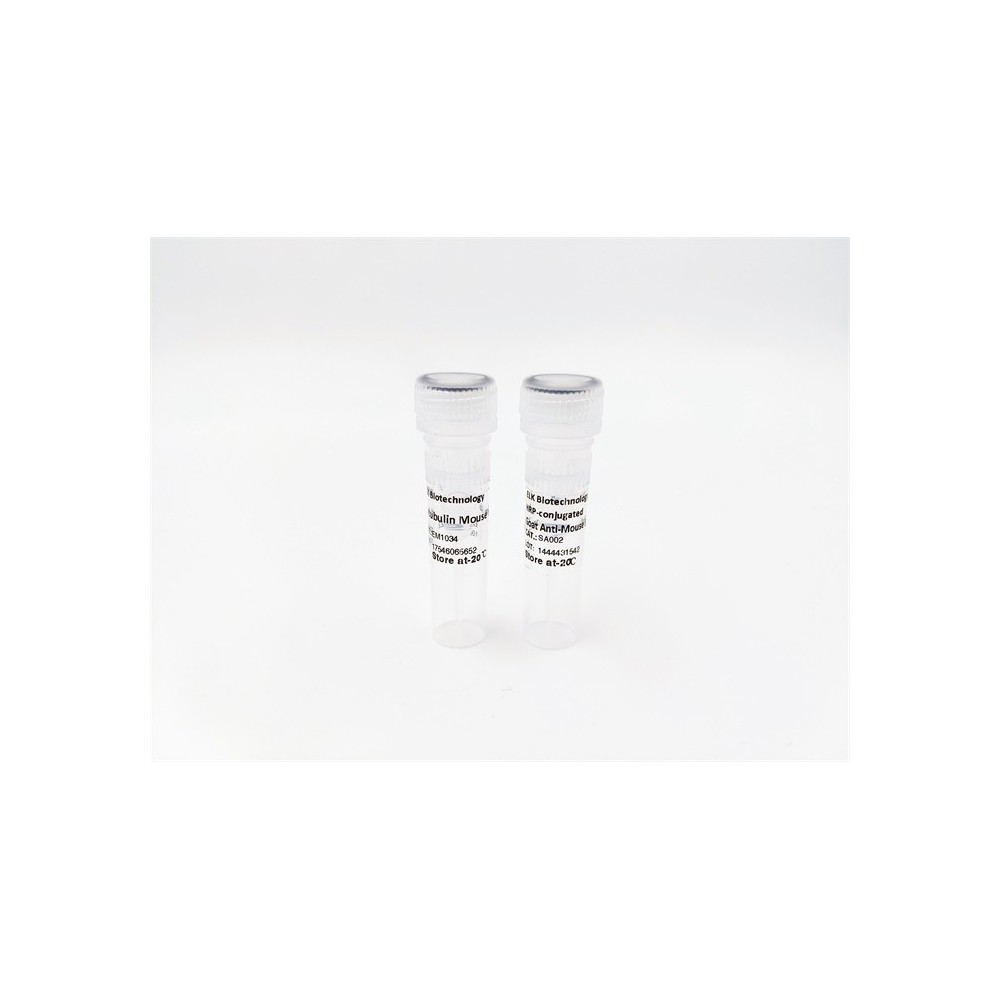

| ELK.No | ES3950 |
| Product name | ERp57 rabbit pAb |
| Reactivity | Human;Mouse;Rat |
| Applications | WB;IHC;IF;ELISA |
| Other name | PDIA3; ERP57; ERP60; GRP58; Protein disulfide-isomerase A3; 58 kDa glucose-regulated protein; 58 kDa microsomal protein; p58; Disulfide isomerase ER-60;Endoplasmic reticulum resident protein 57; ER protein 57; ERp57; Endoplasmic reticulum resident protein 60; ER protein 60; ERp60 |
| Size | 100μL |
| Unit price ($) | 248 |
| Human gene ID | 2923 |
| Human Swiss-Prot | P30101 |
| Source | Rabbit |
| Isotype | IgG |
| Target | ERp57 |
| Fields | >>Protein processing in endoplasmic reticulum;>>Antigen processing and presentation;>>Human cytomegalovirus infection;>>Herpes simplex virus 1 infection;>>Epstein-Barr virus infection;>>Human immunodeficiency virus 1 infection |
| Gene name | PDIA3 |
| Protein name | Protein disulfide-isomerase A3 |
| Human gene link | View Human Gene |
| Human Swiss link | View Human Swiss-Prot |
| Mouse gene ID | 14827 |
| Mouse gene link | View Mouse Gene |
| Mouse Swiss-Prot | P27773 |
| Mouse Swiss link | View Mouse Swiss-Prot |
| Rat gene ID | 29468 |
| Rat gene link | View Rat Gene |
| Rat Swiss-Prot | P11598 |
| Rat Swiss link | View Rat Swiss-Prot |
| Immunogen | The antiserum was produced against synthesized peptide derived from the Internal region of human PDIA3. AA range:111-160 |
| Specificity | ERp57 Polyclonal Antibody detects endogenous levels of ERp57 protein. |
| Formulation | Liquid in PBS containing 50% glycerol, 0.5% BSA and 0.02% sodium azide. |
| Clonality | Polyclonal |
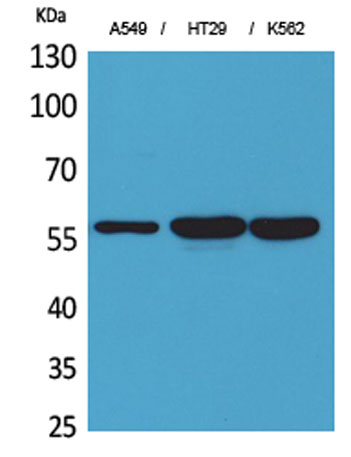
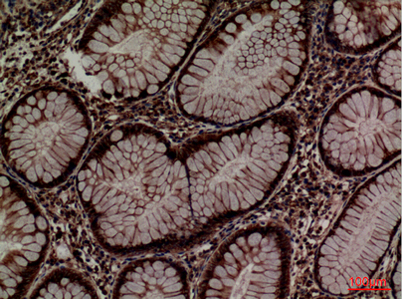
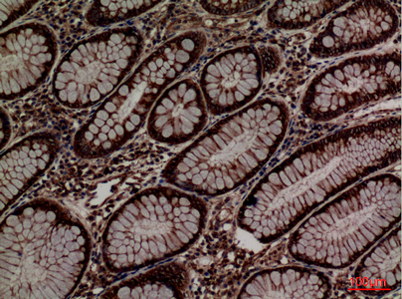
| Dilution | Western Blot: 1/500 - 1/2000. IHC-p: 1:100-300 ELISA: 1/20000. Not yet tested in other applications. |
| Purification | The antibody was affinity-purified from rabbit antiserum by affinity-chromatography using epitope-specific immunogen. |
| Concentration | 1 mg/ml |
| Storage stability | -20°C/1 year |
| Molecular Weight (Da) | |
| Observed band (KD) | 55kD |
| Background | This gene encodes a protein of the endoplasmic reticulum that interacts with lectin chaperones calreticulin and calnexin to modulate folding of newly synthesized glycoproteins. The protein was once thought to be a phospholipase; however, it has been demonstrated that the protein actually has protein disulfide isomerase activity. It is thought that complexes of lectins and this protein mediate protein folding by promoting formation of disulfide bonds in their glycoprotein substrates. [provided by RefSeq, Jul 2008], |
| Function | catalytic activity:Catalyzes the rearrangement of -S-S- bonds in proteins.,caution:Was originally thought to be a phosphatidylinositol-4,5-bisphosphate phosphodiesterase type I (phospholipase C-alpha).,mass spectrometry: PubMed:11840567,similarity:Belongs to the protein disulfide isomerase family.,similarity:Contains 2 thioredoxin domains.,subcellular location:Identified by mass spectrometry in melanosome fractions from stage I to stage IV.,subunit:Interacts with ERP27 and CANX., |
| Subcellular location | Endoplasmic reticulum . Endoplasmic reticulum lumen . Melanosome . Identified by mass spectrometry in melanosome fractions from stage I to stage IV (PubMed:12643545). . |
| Expression | Detected in the flagellum and head region of spermatozoa (at protein level) (PubMed:20400973). Expressed in liver, stomach and colon (at protein level). Expressed in gastric parietal cells and chief cells (at protein level) (PubMed:24188822). |

Use collapsible tabs for more detailed information that will help customers make a purchasing decision.
Ex: Shipping and return policies, size guides, and other common questions.