 Français
 English
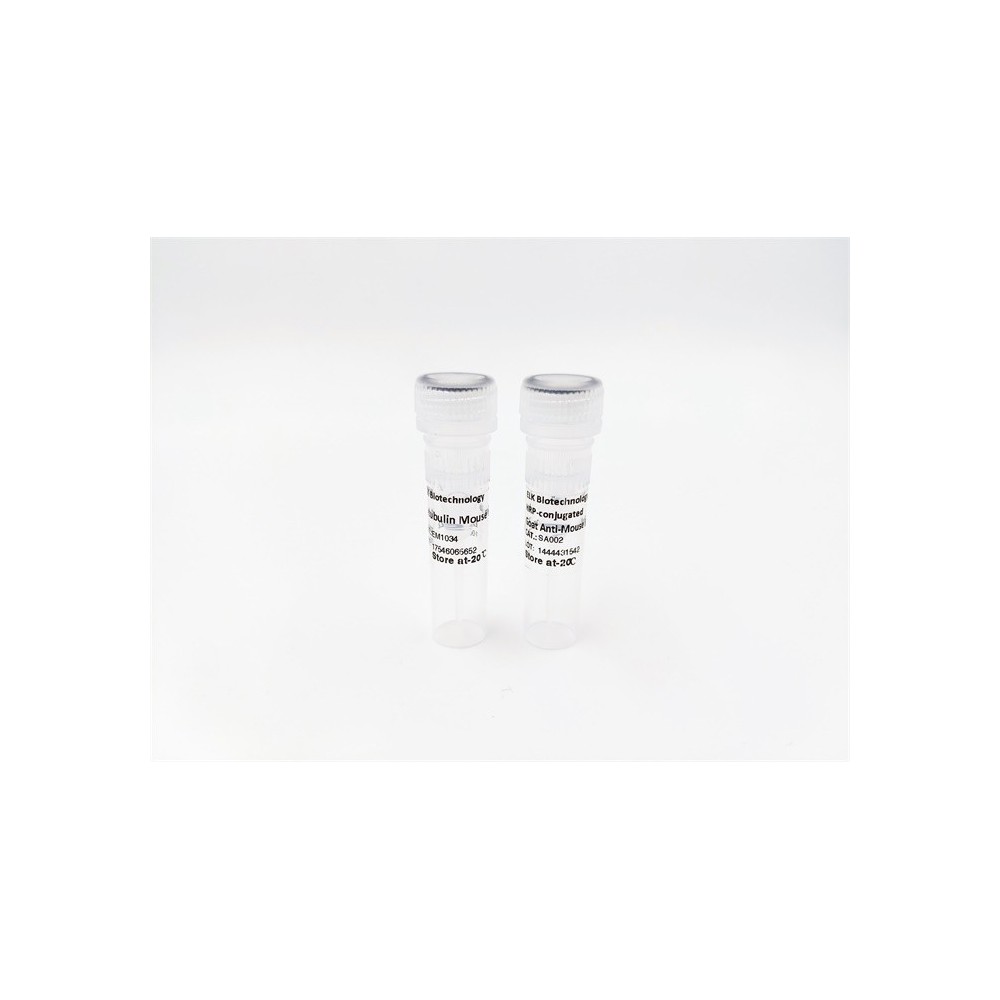

| ELK.No | ES4284 |
| Product name | FGF-17 rabbit pAb |
| Reactivity | Human;Rat;Mouse; |
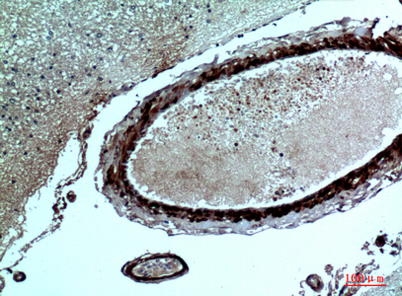
| Applications | WB;IHC;IF;ELISA |
| Other name | FGF17; Fibroblast growth factor 17; FGF-17 |
| Size | 100μL |
| Unit price ($) | 248 |
| Human gene ID | 8822 |
| Human Swiss-Prot | O60258 |
| Source | Rabbit |
| Isotype | IgG |
| Target | FGF-17 |
| Fields | >>MAPK signaling pathway;>>Ras signaling pathway;>>Rap1 signaling pathway;>>Calcium signaling pathway;>>PI3K-Akt signaling pathway;>>Regulation of actin cytoskeleton;>>Pathways in cancer;>>Chemical carcinogenesis - receptor activation;>>Melanoma;>>Breast cancer;>>Gastric cancer |
| Gene name | FGF17 |
| Protein name | Fibroblast growth factor 17 |
| Human gene link | View Human Gene |
| Human Swiss link | View Human Swiss-Prot |
| Mouse gene ID | |
| Mouse gene link | |
| Mouse Swiss-Prot | P63075 |
| Mouse Swiss link | View Mouse Swiss-Prot |
| Rat gene ID | |
| Rat gene link | |
| Rat Swiss-Prot | |
| Rat Swiss link | |
| Immunogen | The antiserum was produced against synthesized peptide derived from the C-terminal region of human FGF17. AA range:267-216 |
| Specificity | FGF-17 Polyclonal Antibody detects endogenous levels of FGF-17 protein. |
| Formulation | Liquid in PBS containing 50% glycerol, 0.5% BSA and 0.02% sodium azide. |
| Clonality | Polyclonal |
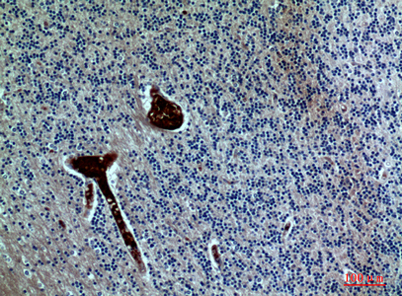
| Dilution | Western Blot: 1/500 - 1/2000. IHC-p: 1:100-1:300. ELISA: 1/10000. Not yet tested in other applications. |
| Purification | The antibody was affinity-purified from rabbit antiserum by affinity-chromatography using epitope-specific immunogen. |
| Concentration | 1 mg/ml |
| Storage stability | -20°C/1 year |
| Molecular Weight (Da) | |
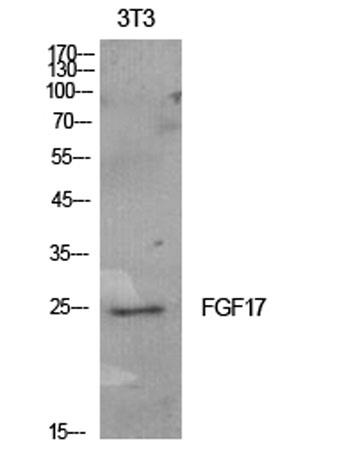
| Observed band (KD) | 25kD |
| Background | This gene encodes a member of the fibroblast growth factor (FGF) family. Member of the FGF family possess broad mitogenic and cell survival activities, and are involved in a variety of biological processes including embryonic development cell growth, morphogenesis, tissue repair, tumor growth and invasion. This protein is expressed during embryogenesis and in the adult cerebellum and cortex and may be essential for vascular growth and normal brain development. Mutations in this gene are the cause of hypogonadotropic hypogonadism 20 with or without anosmia. Alternate splicing results in multiple transcript variants. [provided by RefSeq, Jan 2015], |
| Function | developmental stage:Detected in embryos at E14.5, but not at E10.5 and E19.5. Preferentially expressed in the neuroepithelia of the isthmus and septum of the embryonic brain at E14.5.,function:May be a signaling molecule in the induction and patterning of the embryonic brain.,similarity:Belongs to the heparin-binding growth factors family.,tissue specificity:Preferentially expressed in the embryonic brain., |
| Subcellular location | Secreted. |
| Expression | Preferentially expressed in the embryonic brain. |

Use collapsible tabs for more detailed information that will help customers make a purchasing decision.
Ex: Shipping and return policies, size guides, and other common questions.