 Français
 English
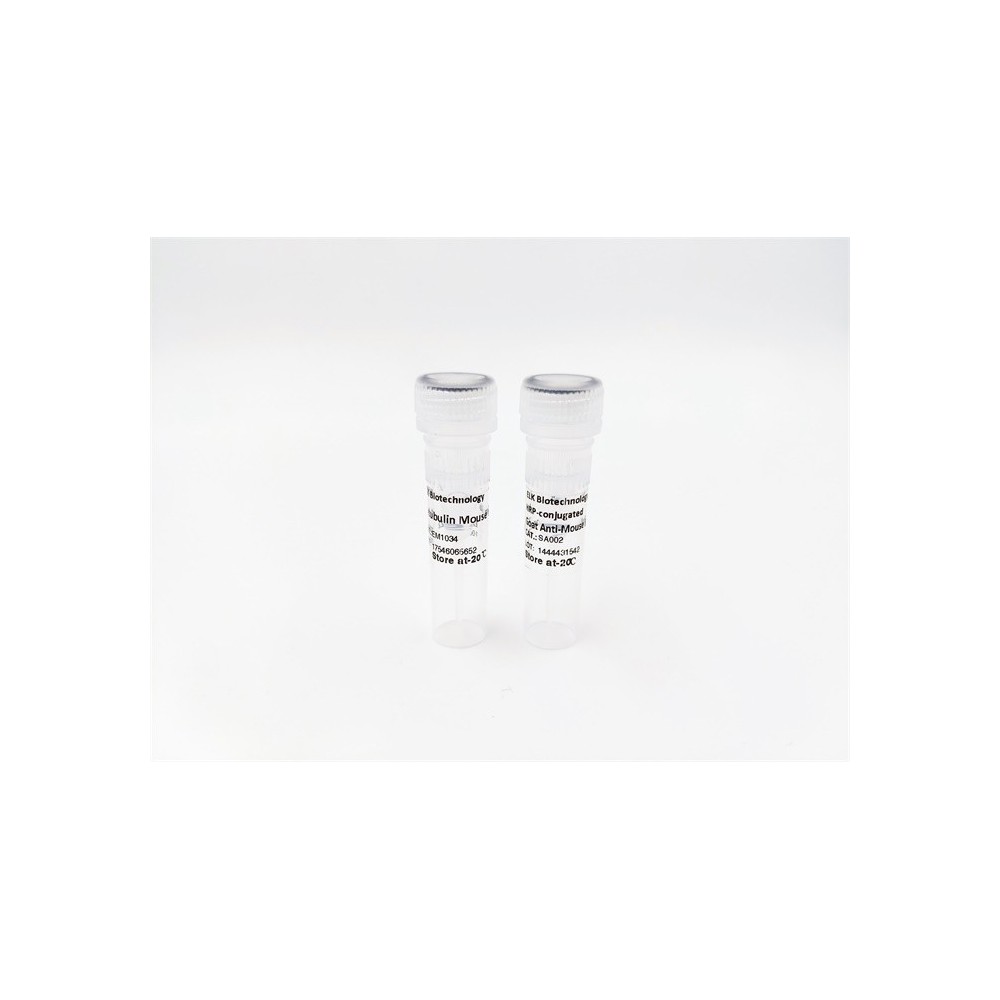

| ELK.No | ES6136 |
| Product name | APOBEC4 rabbit pAb |
| Reactivity | Human;Rat;Mouse; |
| Applications | WB;ELISA |
| Other name | APOBEC4; C1orf169; Putative C->U-editing enzyme APOBEC-4; Apolipoprotein B mRNA-editing enzyme catalytic polypeptide-like 4 |
| Size | 50μL |
| Unit price ($) | 148 |
| Human gene ID | 403314 |
| Human Swiss-Prot | Q8WW27 |
| Source | Rabbit |
| Isotype | IgG |
| Target | APOBEC4 |
| Fields | |
| Gene name | APOBEC4 |
| Protein name | Putative C->U-editing enzyme APOBEC-4 |
| Human gene link | View Human Gene |
| Human Swiss link | View Human Swiss-Prot |
| Mouse gene ID | |
| Mouse gene link | |
| Mouse Swiss-Prot | Q497M3 |
| Mouse Swiss link | View Mouse Swiss-Prot |
| Rat gene ID | |
| Rat gene link | |
| Rat Swiss-Prot | |
| Rat Swiss link | |
| Immunogen | The antiserum was produced against synthesized peptide derived from human APOBEC4. AA range:309-358 |
| Specificity | APOBEC4 Polyclonal Antibody detects endogenous levels of APOBEC4 protein. |
| Formulation | Liquid in PBS containing 50% glycerol, 0.5% BSA and 0.02% sodium azide. |
| Clonality | Polyclonal |
| Dilution | Western Blot: 1/500 - 1/2000. ELISA: 1/10000. Not yet tested in other applications. |
| Purification | The antibody was affinity-purified from rabbit antiserum by affinity-chromatography using epitope-specific immunogen. |
| Concentration | 1 mg/ml |
| Storage stability | -20°C/1 year |
| Molecular Weight (Da) | |
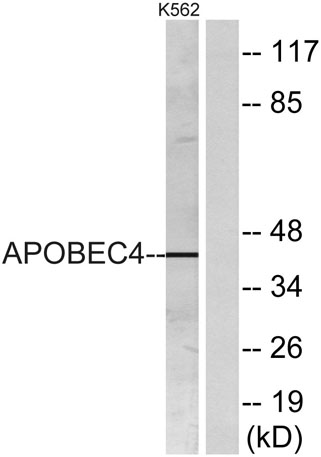
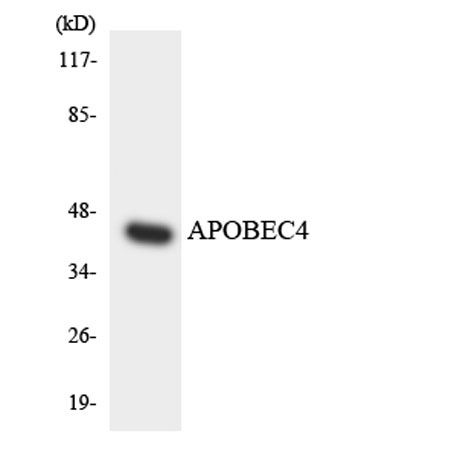
| Observed band (KD) | 40kD |
| Background | This gene encodes a member of the AID/APOBEC family of polynucleotide (deoxy)cytidine deaminases, which convert cytidine to uridine. Other AID/APOBEC family members are involved in mRNA editing, somatic hypermutation and recombination of immunoglobulin genes, and innate immunity to retroviral infection. [provided by RefSeq, Jul 2008], |
| Function | cofactor:Zinc.,function:Putative C to U editing enzyme whose physiological substrate is not yet known.,similarity:Belongs to the cytidine and deoxycytidylate deaminase family.,tissue specificity:Predominantly expressed in testis., |
| Subcellular location | |
| Expression | Predominantly expressed in testis. |

Use collapsible tabs for more detailed information that will help customers make a purchasing decision.
Ex: Shipping and return policies, size guides, and other common questions.