 Français
 English

| ELK.No | ES6488 |
| Product name | PCB rabbit pAb |
| Reactivity | Human;Mouse;Rat |
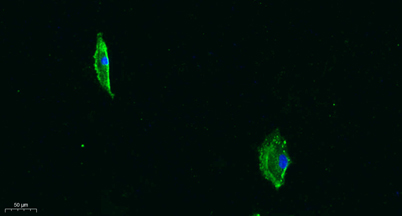
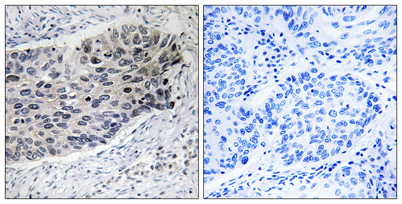
| Applications | WB;IHC;IF;ELISA |
| Other name | PC; Pyruvate carboxylase; mitochondrial; Pyruvic carboxylase; PCB |
| Size | 100μL |
| Unit price ($) | 248 |
| Human gene ID | 5091 |
| Human Swiss-Prot | P11498 |
| Source | Rabbit |
| Isotype | IgG |
| Target | PCB |
| Fields | >>Citrate cycle (TCA cycle);>>Pyruvate metabolism;>>Metabolic pathways;>>Carbon metabolism;>>Biosynthesis of amino acids |
| Gene name | PC |
| Protein name | Pyruvate carboxylase mitochondrial |
| Human gene link | View Human Gene |
| Human Swiss link | View Human Swiss-Prot |
| Mouse gene ID | |
| Mouse gene link | |
| Mouse Swiss-Prot | Q05920 |
| Mouse Swiss link | View Mouse Swiss-Prot |
| Rat gene ID | 25104 |
| Rat gene link | View Rat Gene |
| Rat Swiss-Prot | P52873 |
| Rat Swiss link | View Rat Swiss-Prot |
| Immunogen | The antiserum was produced against synthesized peptide derived from human PC. AA range:357-406 |
| Specificity | PCB Polyclonal Antibody detects endogenous levels of PCB protein. |
| Formulation | Liquid in PBS containing 50% glycerol, 0.5% BSA and 0.02% sodium azide. |
| Clonality | Polyclonal |
| Dilution | Western Blot: 1/500 - 1/2000. IHC-p: 1:100-300 ELISA: 1/20000. IF 1:100-300 Not yet tested in other applications. |
| Purification | The antibody was affinity-purified from rabbit antiserum by affinity-chromatography using epitope-specific immunogen. |
| Concentration | 1 mg/ml |
| Storage stability | -20°C/1 year |
| Molecular Weight (Da) | |
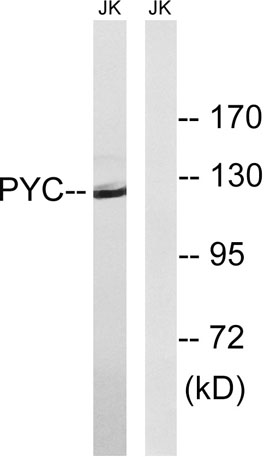
| Observed band (KD) | 120kD |
| Background | This gene encodes pyruvate carboxylase, which requires biotin and ATP to catalyse the carboxylation of pyruvate to oxaloacetate. The active enzyme is a homotetramer arranged in a tetrahedron which is located exclusively in the mitochondrial matrix. Pyruvate carboxylase is involved in gluconeogenesis, lipogenesis, insulin secretion and synthesis of the neurotransmitter glutamate. Mutations in this gene have been associated with pyruvate carboxylase deficiency. Alternatively spliced transcript variants with different 5' UTRs, but encoding the same protein, have been found for this gene. [provided by RefSeq, Jul 2008], |
| Function | catalytic activity:ATP + pyruvate + HCO(3)(-) = ADP + phosphate + oxaloacetate.,cofactor:Binds 1 manganese ion per subunit.,cofactor:Biotin.,disease:Defects in PC are the cause of pyruvate carboxylase deficiency (PC deficiency) [MIM:266150]. PC deficiency leads to lactic acidosis, mental retardation and death. It occurs in three forms: mild or type A, severe neonatal or type B, and a very mild lacticacidemia.,function:Pyruvate carboxylase catalyzes a 2-step reaction, involving the ATP-dependent carboxylation of the covalently attached biotin in the first step and the transfer of the carboxyl group to pyruvate in the second. Catalyzes in a tissue specific manner, the initial reactions of glucose (liver, kidney) and lipid (adipose tissue, liver, brain) synthesis from pyruvate.,online information:Pyruvate carboxylase entry,pathway:Carbohydrate biosynthesis; gluconeogenesis.,similarity:Conta |
| Subcellular location | Mitochondrion matrix . |
| Expression | Epithelium,Kidney,Liver,Lung, |

Use collapsible tabs for more detailed information that will help customers make a purchasing decision.
Ex: Shipping and return policies, size guides, and other common questions.