 Français
 English
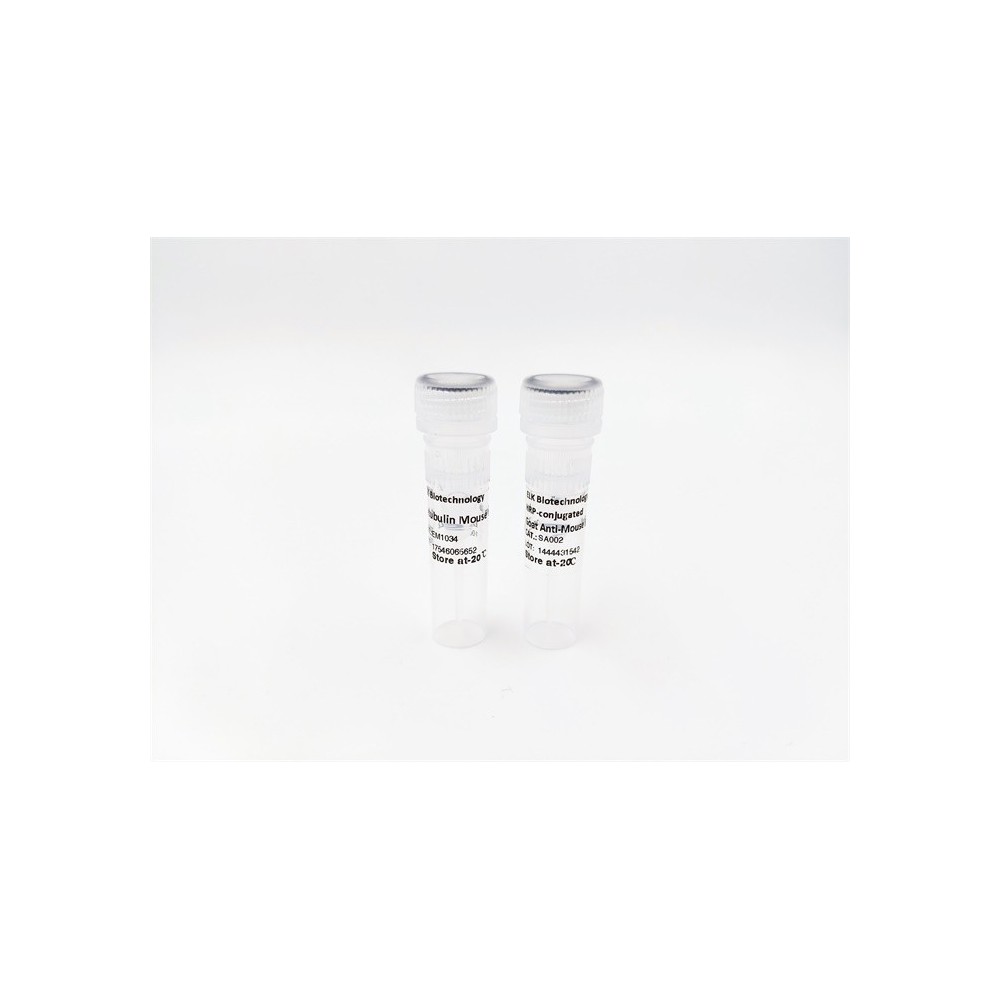

| ELK.No | ES8348 |
| Product name | IP3R-I rabbit pAb |
| Reactivity | Human;Mouse;Rat |
| Applications | WB;IHC |
| Other name | ITPR1; INSP3R1; Inositol 1,4,5-trisphosphate receptor type 1; IP3 receptor isoform 1; IP3R 1; InsP3R1; Type 1 inositol 1,4,5-trisphosphate receptor; Type 1 InsP3 receptor |
| Size | 100μL |
| Unit price ($) | 248 |
| Human gene ID | 3708 |
| Human Swiss-Prot | Q14643 |
| Source | Rabbit |
| Isotype | IgG |
| Target | IP3 Receptor |
| Fields | >>Calcium signaling pathway;>>cGMP-PKG signaling pathway;>>Phosphatidylinositol signaling system;>>Oocyte meiosis;>>Autophagy - animal;>>Apoptosis;>>Cellular senescence;>>Vascular smooth muscle contraction;>>Apelin signaling pathway;>>Gap junction;>>Platelet activation;>>NOD-like receptor signaling pathway;>>C-type lectin receptor signaling pathway;>>Circadian entrainment;>>Long-term potentiation;>>Retrograde endocannabinoid signaling;>>Glutamatergic synapse;>>Cholinergic synapse;>>Serotonergic synapse;>>Dopaminergic synapse;>>Long-term depression;>>Inflammatory mediator regulation of TRP channels;>>GnRH signaling pathway;>>Estrogen signaling pathway;>>Thyroid hormone synthesis;>>Oxytocin signaling pathway;>>Glucagon signaling pathway;>>Renin secretion;>>Aldosterone synthesis and secretion;>>Cortisol synthesis and secretion;>>Parathyroid hormone synthesis, secretion and action;>>GnRH secretion;>>Cushing syndrome;>>Growth hormone synthesis, secretion and action;>>Salivary secretion;>>Ga |
| Gene name | ITPR1 |
| Protein name | Inositol 1,4,5-trisphosphate receptor type 1 |
| Human gene link | View Human Gene |
| Human Swiss link | View Human Swiss-Prot |
| Mouse gene ID | 16438 |
| Mouse gene link | View Mouse Gene |
| Mouse Swiss-Prot | P11881 |
| Mouse Swiss link | View Mouse Swiss-Prot |
| Rat gene ID | 25262 |
| Rat gene link | View Rat Gene |
| Rat Swiss-Prot | P29994 |
| Rat Swiss link | View Rat Swiss-Prot |
| Immunogen | Synthesized peptide derived from IP3R-I . at AA range: 1700-1780 |
| Specificity | IP3R-I Polyclonal Antibody detects endogenous levels of IP3R-I protein. |
| Formulation | Liquid in PBS containing 50% glycerol, 0.5% BSA and 0.02% sodium azide. |
| Clonality | Polyclonal |
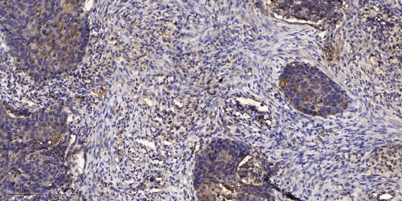
| Dilution | WB 1:500-2000;IHC-p 1:50-300 |
| Purification | The antibody was affinity-purified from rabbit antiserum by affinity-chromatography using epitope-specific immunogen. |
| Concentration | 1 mg/ml |
| Storage stability | -20°C/1 year |
| Molecular Weight (Da) | |
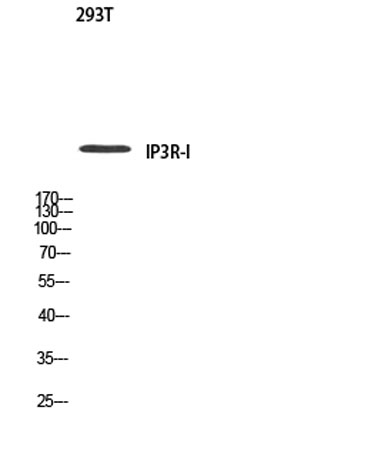
| Observed band (KD) | 320kD |
| Background | This gene encodes an intracellular receptor for inositol 1,4,5-trisphosphate. Upon stimulation by inositol 1,4,5-trisphosphate, this receptor mediates calcium release from the endoplasmic reticulum. Mutations in this gene cause spinocerebellar ataxia type 15, a disease associated with an heterogeneous group of cerebellar disorders. Multiple transcript variants have been identified for this gene. [provided by RefSeq, Nov 2009], |
| Function | alternative products:There is a combination of three alternatively spliced domains at site SI, SIII and site SII (A and C). Experimental confirmation may be lacking for some isoforms,disease:Defects in ITPR1 are the cause of spinocerebellar ataxia type 15 (SCA15) (SCA15) [MIM:606658]. Spinocerebellar ataxia is a clinically and genetically heterogeneous group of cerebellar disorders. Patients show progressive incoordination of gait and often poor coordination of hands, speech and eye movements, due to degeneration of the cerebellum with variable involvement of the brainstem and spinal cord. SCA15 is an autosomal dominant cerebellar ataxia (ADCA). It is very slow progressing form with a wide range of onset, ranging from childhood to adult. Most patients remain ambulatory.,domain:The receptor contains a calcium channel in its C-terminal extremity. Its large N-terminal cytoplasmic region has |
| Subcellular location | Endoplasmic reticulum membrane ; Multi-pass membrane protein . Cytoplasmic vesicle, secretory vesicle membrane ; Multi-pass membrane protein . Cytoplasm, perinuclear region . Endoplasmic reticulum and secretory granules (By similarity). . |
| Expression | Widely expressed. |

Use collapsible tabs for more detailed information that will help customers make a purchasing decision.
Ex: Shipping and return policies, size guides, and other common questions.