 Français
 English
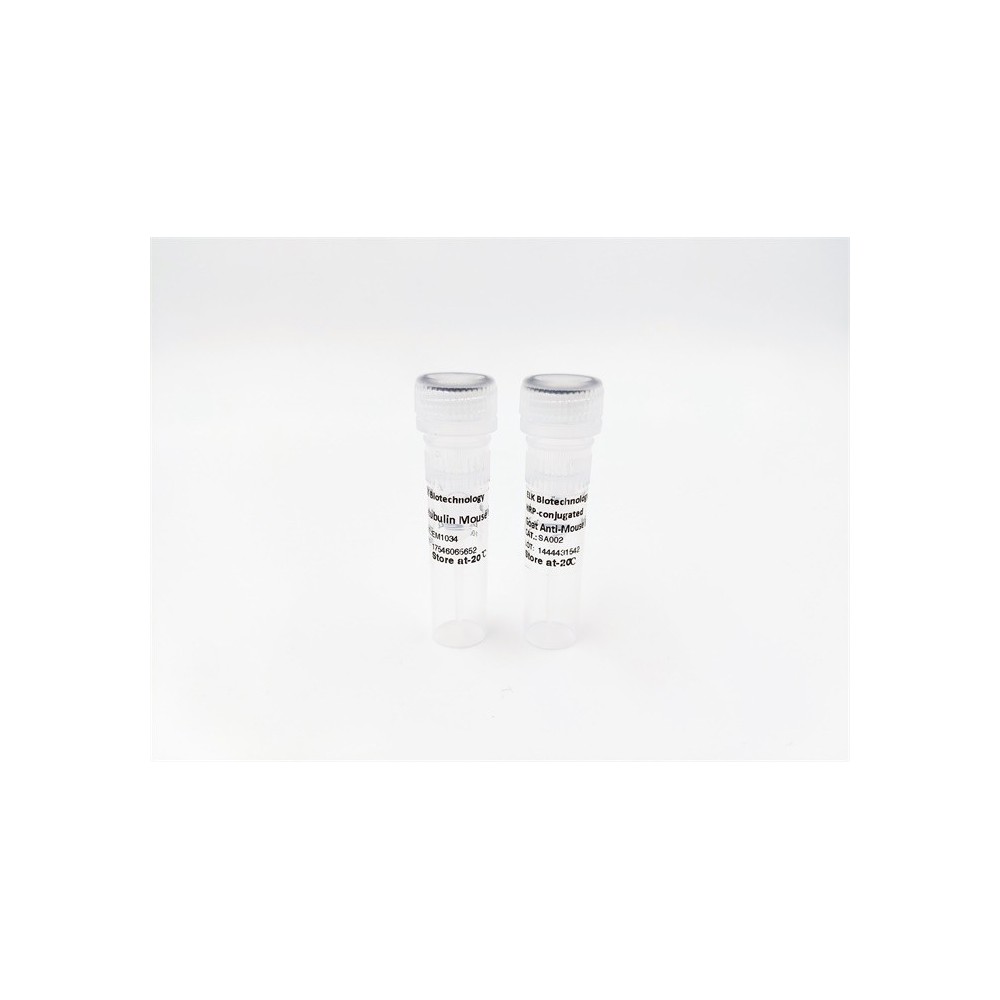

| ELK.No | ES8365 |
| Product name | PI 3-Kinase C2γ rabbit pAb |
| Reactivity | Human;Rat;Mouse; |
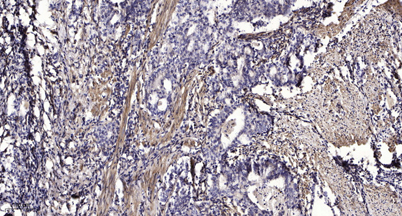
| Applications | WB;IHC |
| Other name | PIK3C2G; Phosphatidylinositol 4-phosphate 3-kinase C2 domain-containing subunit gamma; PI3K-C2-gamma; PtdIns-3-kinase C2 subunit gamma; Phosphoinositide 3-kinase-C2-gamma |
| Size | 50μL |
| Unit price ($) | 148 |
| Human gene ID | 5288 |
| Human Swiss-Prot | O75747 |
| Source | Rabbit |
| Isotype | IgG |
| Target | PI 3-Kinase C2γ |
| Fields | >>Inositol phosphate metabolism;>>Metabolic pathways;>>Phosphatidylinositol signaling system;>>Salmonella infection |
| Gene name | PIK3C2G |
| Protein name | Phosphatidylinositol 4-phosphate 3-kinase C2 domain-containing subunit gamma |
| Human gene link | View Human Gene |
| Human Swiss link | View Human Swiss-Prot |
| Mouse gene ID | |
| Mouse gene link | |
| Mouse Swiss-Prot | O70167 |
| Mouse Swiss link | View Mouse Swiss-Prot |
| Rat gene ID | |
| Rat gene link | |
| Rat Swiss-Prot | |
| Rat Swiss link | |
| Immunogen | Synthesized peptide derived from the N-terminal region of human PI 3-Kinase C2γ. |
| Specificity | PI 3-Kinase C2γ Polyclonal Antibody detects endogenous levels of PI 3-Kinase C2γ protein. |
| Formulation | Liquid in PBS containing 50% glycerol, 0.5% BSA and 0.02% sodium azide. |
| Clonality | Polyclonal |
| Dilution | WB 1:500-2000;IHC-p 1:50-300 |
| Purification | The antibody was affinity-purified from rabbit antiserum by affinity-chromatography using epitope-specific immunogen. |
| Concentration | 1 mg/ml |
| Storage stability | -20°C/1 year |
| Molecular Weight (Da) | |
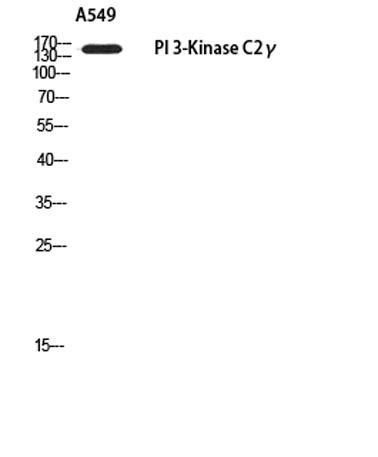
| Observed band (KD) | 160kD |
| Background | The protein encoded by this gene belongs to the phosphoinositide 3-kinase (PI3K) family. PI3-kinases play roles in signaling pathways involved in cell proliferation, oncogenic transformation, cell survival, cell migration, and intracellular protein trafficking. This protein contains a lipid kinase catalytic domain as well as a C-terminal C2 domain, a characteristic of class II PI3-kinases. C2 domains act as calcium-dependent phospholipid binding motifs that mediate translocation of proteins to membranes, and may also mediate protein-protein interactions. This gene may play a role in several diseases, including type II diabetes. Alternative splicing results in multiple transcript variants. [provided by RefSeq, Jan 2014], |
| Function | catalytic activity:ATP + 1-phosphatidyl-1D-myo-inositol 4-phosphate = ADP + 1-phosphatidyl-1D-myo-inositol 3,4-bisphosphate.,function:In vitro, phosphorylates PtdIns and PtdIns4P but not PtdIns(4,5)P2.,similarity:Belongs to the PI3/PI4-kinase family.,similarity:Contains 1 C2 domain.,similarity:Contains 1 PI3K/PI4K domain.,similarity:Contains 1 PX (phox homology) domain.,tissue specificity:Highly expressed in liver, prostate and testis. Lower levels in small intestine, kidney and pancreas., |
| Subcellular location | Membrane ; Peripheral membrane protein . |
| Expression | Highly expressed in liver, prostate and testis. Lower levels in small intestine, kidney and pancreas. |

Use collapsible tabs for more detailed information that will help customers make a purchasing decision.
Ex: Shipping and return policies, size guides, and other common questions.