 Français
 English
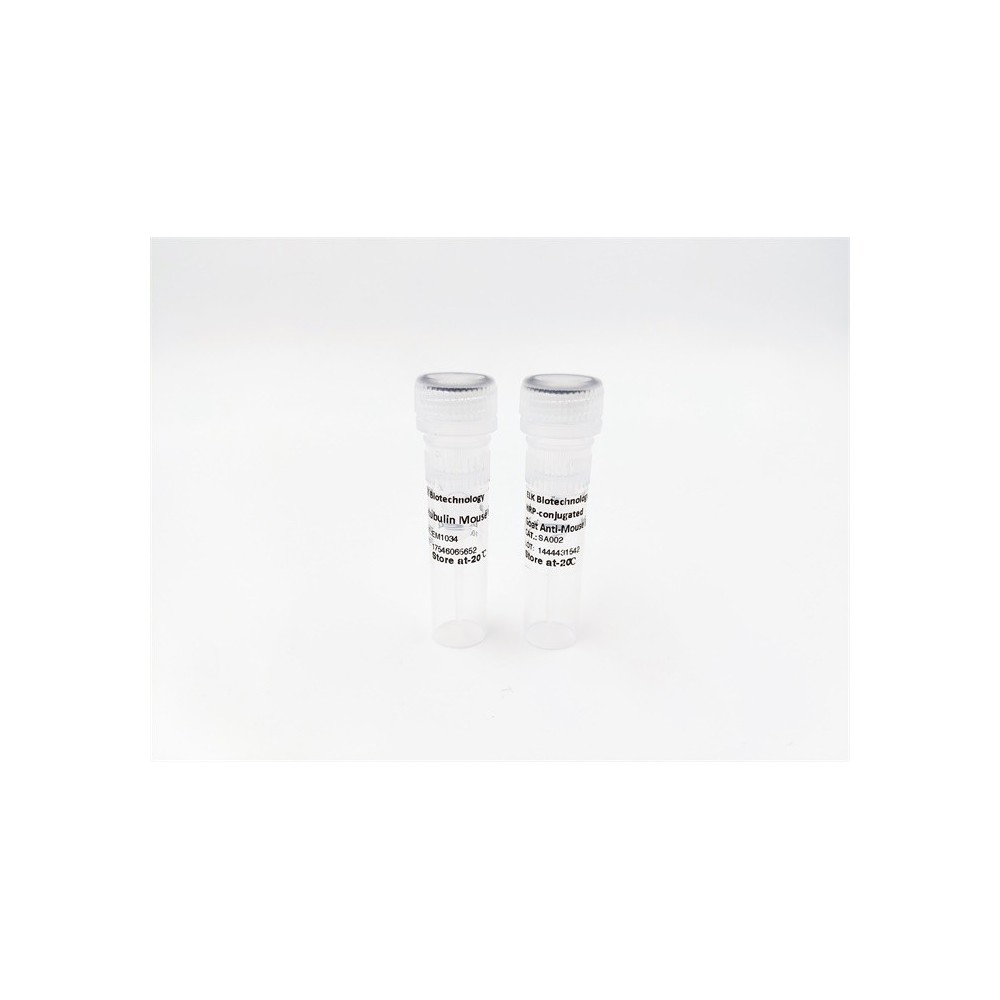

| ELK.No | ES8409 |
| Product name | PGLYRP1 rabbit pAb |
| Reactivity | Human;Rat;Mouse; |
| Applications | WB;ELISA;IHC |
| Other name | PGLYRP1; PGLYRP; PGRP; TNFSF3L; SBBI68; Peptidoglycan recognition protein 1; Peptidoglycan recognition protein short; PGRP-S |
| Size | 50μL |
| Unit price ($) | 148 |
| Human gene ID | 8993 |
| Human Swiss-Prot | O75594 |
| Source | Rabbit |
| Isotype | IgG |
| Target | PGLYRP1 |
| Fields | |
| Gene name | PGLYRP1 |
| Protein name | Peptidoglycan recognition protein 1 |
| Human gene link | View Human Gene |
| Human Swiss link | View Human Swiss-Prot |
| Mouse gene ID | 21946 |
| Mouse gene link | |
| Mouse Swiss-Prot | O88593 |
| Mouse Swiss link | View Mouse Swiss-Prot |
| Rat gene ID | |
| Rat gene link | |
| Rat Swiss-Prot | |
| Rat Swiss link | |
| Immunogen | The antiserum was produced against synthesized peptide derived from the Internal region of human PGLYRP1. AA range:131-180 |
| Specificity | PGLYRP1 Polyclonal Antibody detects endogenous levels of PGLYRP1 protein. |
| Formulation | Liquid in PBS containing 50% glycerol, 0.5% BSA and 0.02% sodium azide. |
| Clonality | Polyclonal |
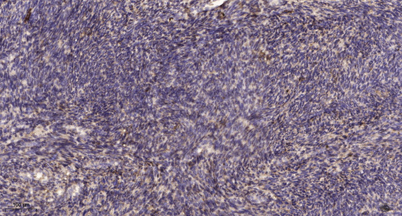
| Dilution | WB 1:500-2000;IHC-p 1:50-300; ELISA 2000-20000 |
| Purification | The antibody was affinity-purified from rabbit antiserum by affinity-chromatography using epitope-specific immunogen. |
| Concentration | 1 mg/ml |
| Storage stability | -20°C/1 year |
| Molecular Weight (Da) | |
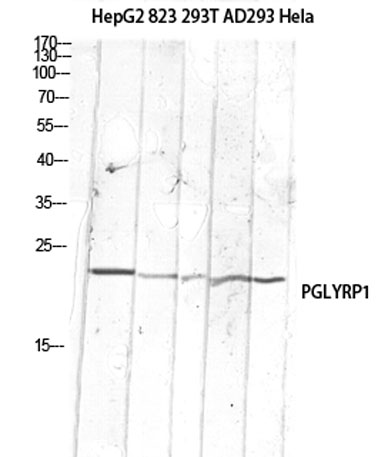
| Observed band (KD) | 21kD |
| Background | PGLYRP1 (Peptidoglycan Recognition Protein 1) is a Protein Coding gene. Among its related pathways are TNF Signaling (sino). GO annotations related to this gene include peptidoglycan binding and N-acetylmuramoyl-L-alanine amidase activity. An important paralog of this gene is PGLYRP4. |
| Function | peptidoglycan metabolic process, polysaccharide catabolic process, polysaccharide metabolic process, aminoglycan metabolic process, aminoglycan catabolic process, glycosaminoglycan catabolic process, defense response, immune response, behavior, rhythmic behavior, circadian rhythm, macromolecule catabolic process, peptidoglycan catabolic process, detection of external stimulus, detection of biotic stimulus, response to bacterium, detection of bacterium,carbohydrate catabolic process, circadian sleep/wake cycle process, glycosaminoglycan metabolic process, defense response to bacterium, circadian sleep/wake cycle, regulation of circadian sleep/wake cycle, regulation of circadian rhythm, innate immune response, regulation of circadian sleep/wake cycle, sleep, rhythmic process, circadian behavior,regulation of behavior, defense response to Gram-positive bacterium, detection of stimulus, |
| Subcellular location | Secreted . Cytoplasmic granule . |
| Expression | Highly expressed in bone marrow. Weak expression found in kidney, liver, small intestine, spleen, thymus, peripheral leukocyte, lung, fetal spleen and neutrophils. |

Use collapsible tabs for more detailed information that will help customers make a purchasing decision.
Ex: Shipping and return policies, size guides, and other common questions.