 Français
 English
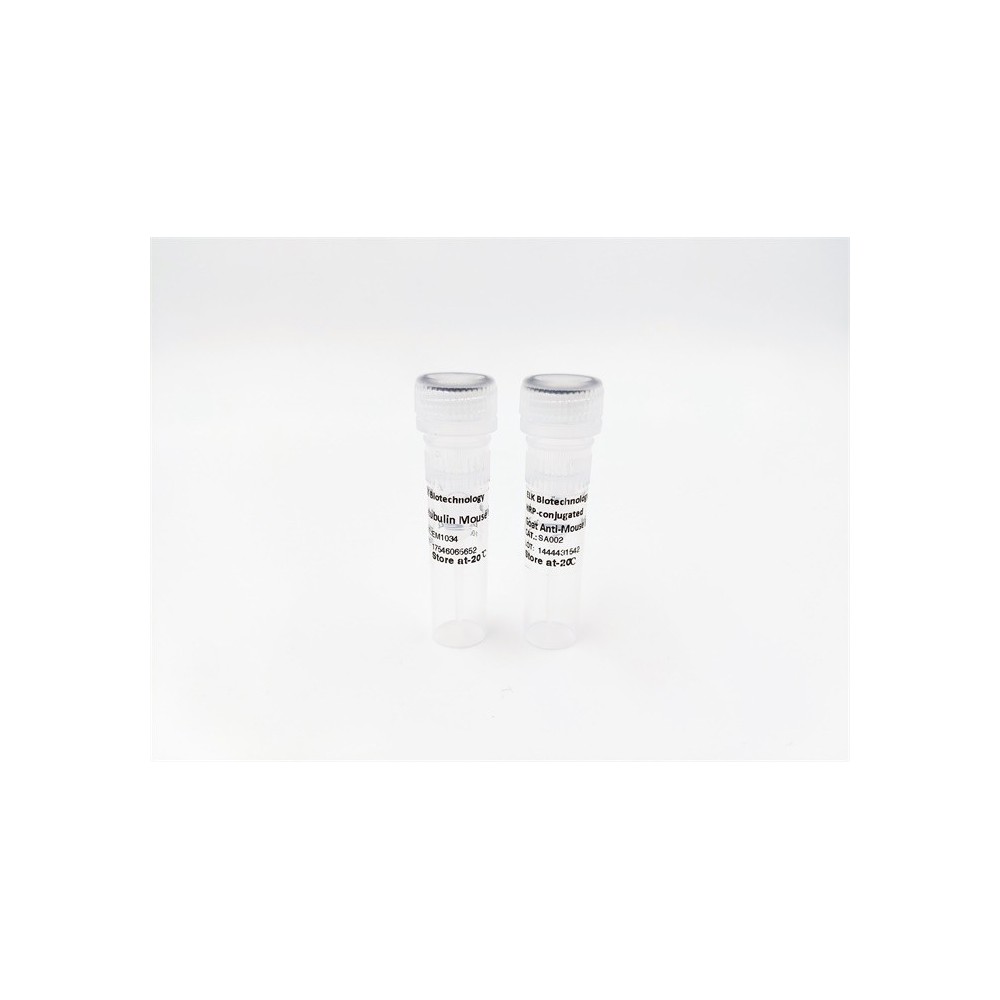

| ELK.No | ES8463 |
| Product name | E-Selectin rabbit pAb |
| Reactivity | Human;Rat;Mouse; |
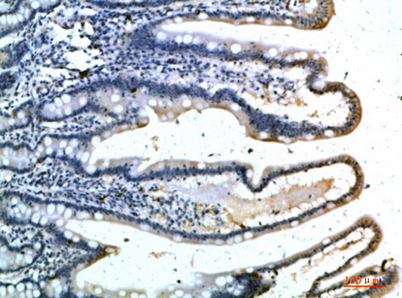
| Applications | WB;IHC;IF;ELISA |
| Other name | selectin E |
| Size | 100μL |
| Unit price ($) | 248 |
| Human gene ID | 6401 |
| Human Swiss-Prot | P16581 |
| Source | Rabbit |
| Isotype | IgG |
| Target | E-Selectin |
| Fields | >>Cell adhesion molecules;>>TNF signaling pathway;>>AGE-RAGE signaling pathway in diabetic complications;>>African trypanosomiasis;>>Malaria;>>Lipid and atherosclerosis;>>Fluid shear stress and atherosclerosis |
| Gene name | SELE ELAM1 |
| Protein name | E-Selectin |
| Human gene link | View Human Gene |
| Human Swiss link | View Human Swiss-Prot |
| Mouse gene ID | 20339 |
| Mouse gene link | |
| Mouse Swiss-Prot | Q00690 |
| Mouse Swiss link | View Mouse Swiss-Prot |
| Rat gene ID | |
| Rat gene link | |
| Rat Swiss-Prot | |
| Rat Swiss link | |
| Immunogen | The antiserum was produced against synthesized peptide derived from the N-terminal region of human SELE. AA range:100-150 |
| Specificity | E-Selectin Polyclonal Antibody detects endogenous levels of E-Selectin |
| Formulation | Liquid in PBS containing 50% glycerol, 0.5% BSA and 0.02% sodium azide. |
| Clonality | Polyclonal |
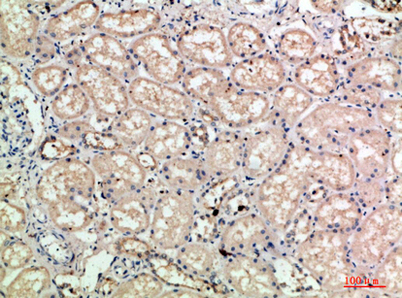
| Dilution | IHC-p: 100-300.WB 1:500-2000, ELISA 1:10000-20000 |
| Purification | The antibody was affinity-purified from rabbit antiserum by affinity-chromatography using epitope-specific immunogen. |
| Concentration | 1 mg/ml |
| Storage stability | -20°C/1 year |
| Molecular Weight (Da) | |
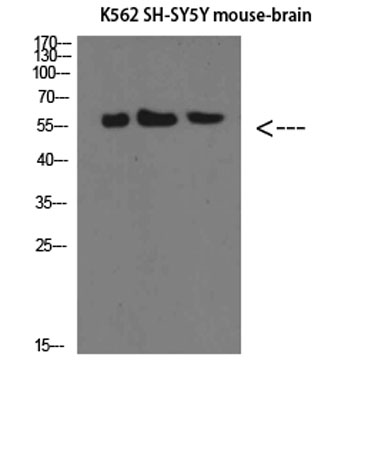
| Observed band (KD) | 66kD |
| Background | The protein encoded by this gene is found in cytokine-stimulated endothelial cells and is thought to be responsible for the accumulation of blood leukocytes at sites of inflammation by mediating the adhesion of cells to the vascular lining. It exhibits structural features such as the presence of lectin- and EGF-like domains followed by short consensus repeat (SCR) domains that contain 6 conserved cysteine residues. These proteins are part of the selectin family of cell adhesion molecules. Adhesion molecules participate in the interaction between leukocytes and the endothelium and appear to be involved in the pathogenesis of atherosclerosis. [provided by RefSeq, Jul 2008], |
| Function | function:Cell-surface glycoprotein having a role in immunoadhesion. Mediates in the adhesion of blood neutrophils in cytokine-activated endothelium through interaction with PSGL1/SELPLG. May have a role in capillary morphogenesis.,online information:E-selectin,polymorphism:A polymorphism in position 149 is associated with a higher risk of coronary artery disease (CAD). A significantly higher mutation frequency (Arg-149) is observed in patients with angiographically proven severe atherosclerosis compared with an unselected population (Ser-149).,similarity:Belongs to the selectin/LECAM family.,similarity:Contains 1 C-type lectin domain.,similarity:Contains 1 EGF-like domain.,similarity:Contains 6 Sushi (CCP/SCR) domains.,subunit:Interacts with PSGL1/SELPLG through the sialyl Lewis X epitope. PSGL1 sulfation appears not to be required for this interaction., |
| Subcellular location | Cell membrane ; Single-pass type I membrane protein. |
| Expression | Umbilical vein endothelial cell, |

Use collapsible tabs for more detailed information that will help customers make a purchasing decision.
Ex: Shipping and return policies, size guides, and other common questions.