 Français
 English
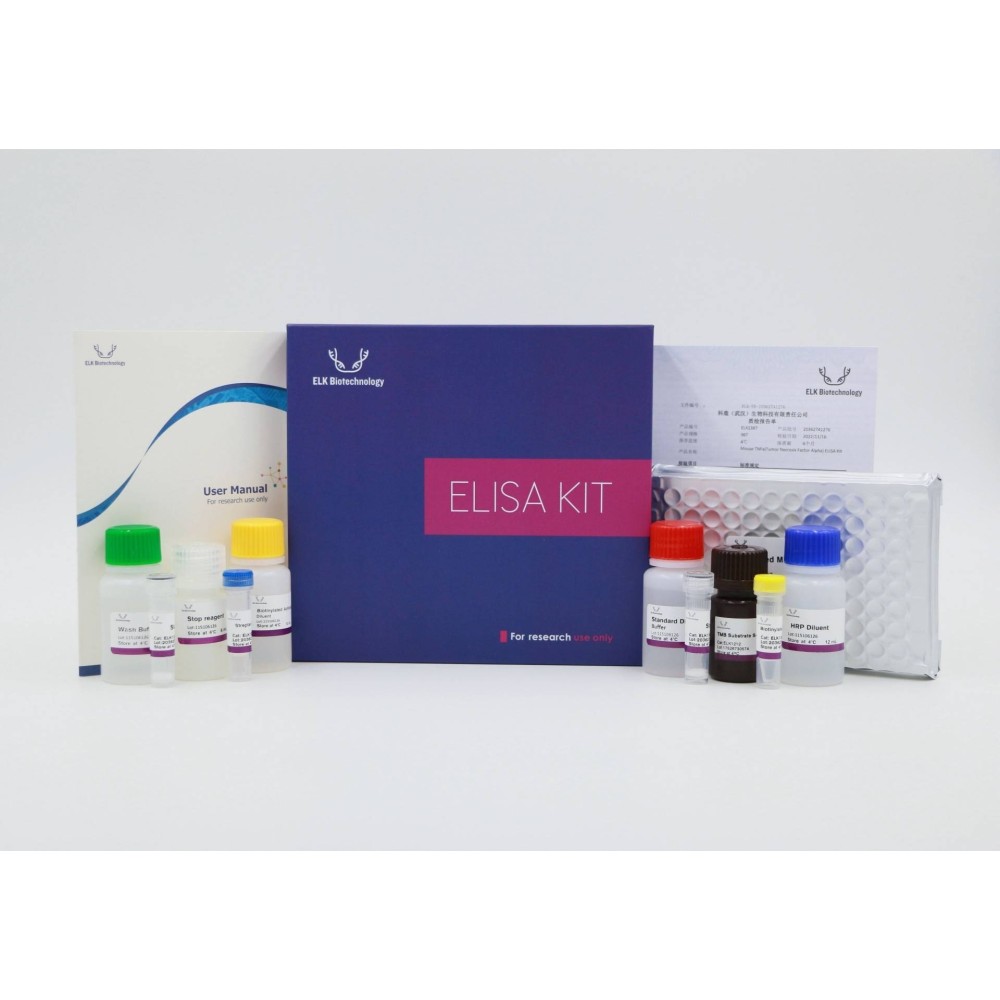
Human LAB7-1(B-Lymphocyte Activation Antigen B7-1) Microsample ELISA Kit
AO-06-ELK5326MS-48T

| Cat.No | ELK5326MS |
| Product Name | Human LAB7-1(B-Lymphocyte Activation Antigen B7-1) Microsample ELISA Kit |
| Reactivity | Human |
| Alternative Names | CD80; CD28LG; CD28LG1; BB1; B7-1 Antigen; T-lymphocyte activation antigen CD80; CTLA-4 counter-receptor B7.1 |
| Assay Type | Sandwich |
| Sensitivity | 32 pg/mL |
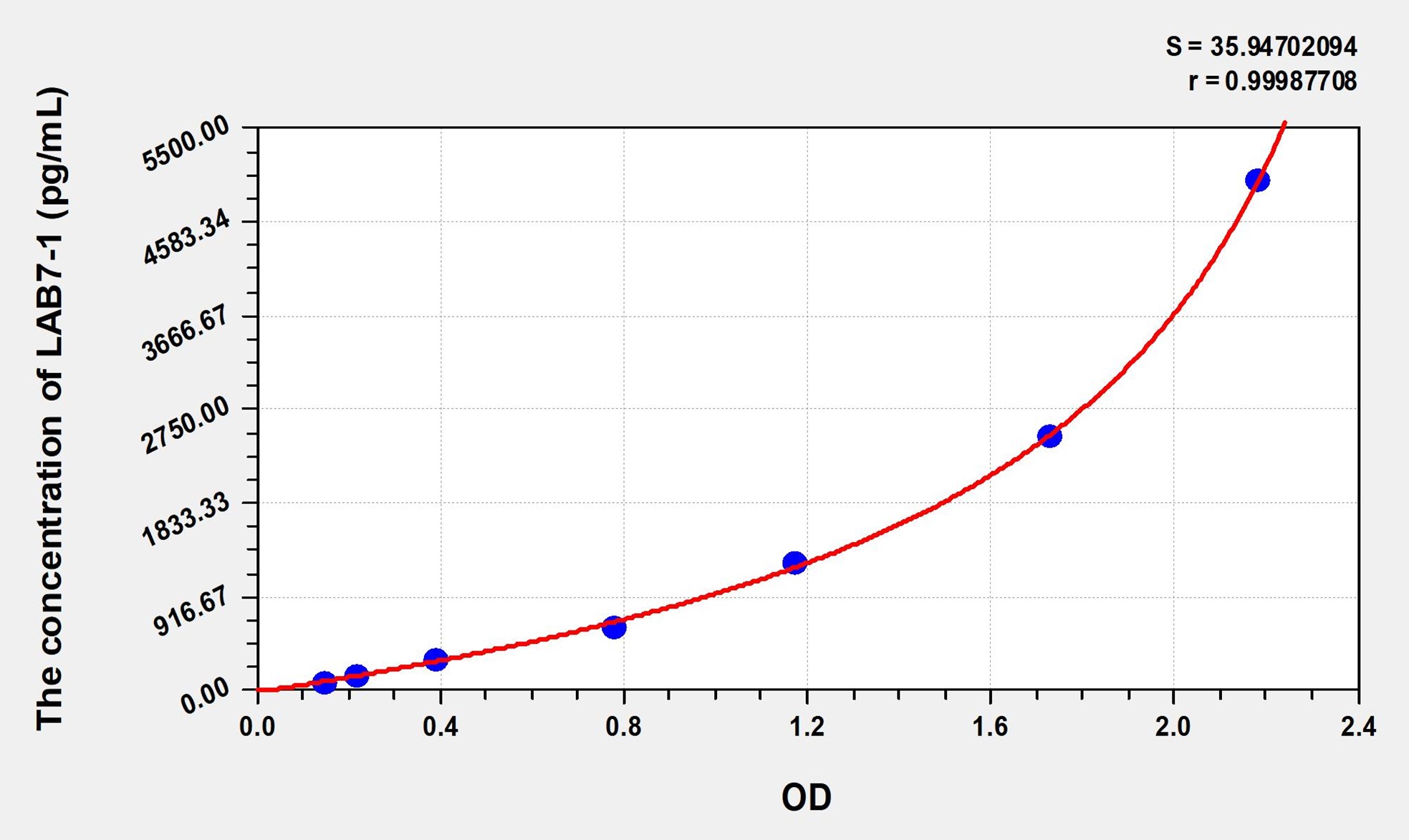
| Standard | 5000 pg/mL |
| Detection Range | 78.13-5000 pg/mL |
| Sample Type | Serum, plasma, tissue homogenates and other biological fluids |
| Assay Length | 3.5h |
| Research Area | CD & Adhesion molecule;Tumor immunity;Infection immunity;Immune molecule;Autoimmunity; |
| Test Principle | The test principle applied in this kit is Sandwich enzyme immunoassay. The microtiter plate provided in this kit has been pre-coated with an antibody specific to Human LAB7-1. Standards or samples are added to the appropriate microtiter plate wells then with a biotin-conjugated antibody specific to Human LAB7-1. Next, Avidin conjugated to Horseradish Peroxidase (HRP) is added to each microplate well and incubated. After TMB substrate solution is added, only those wells that contain Human LAB7-1, biotin-conjugated antibody and enzyme-conjugated Avidin will exhibit a change in color. The enzyme-substrate reaction is terminated by the addition of sulphuric acid solution and the color change is measured spectrophotometrically at a wavelength of 450nm ± 10nm. The concentration of Human LAB7-1 in the samples is then determined by comparing the OD of the samples to the standard curve. |

Use collapsible tabs for more detailed information that will help customers make a purchasing decision.
Ex: Shipping and return policies, size guides, and other common questions.