 Français
 English

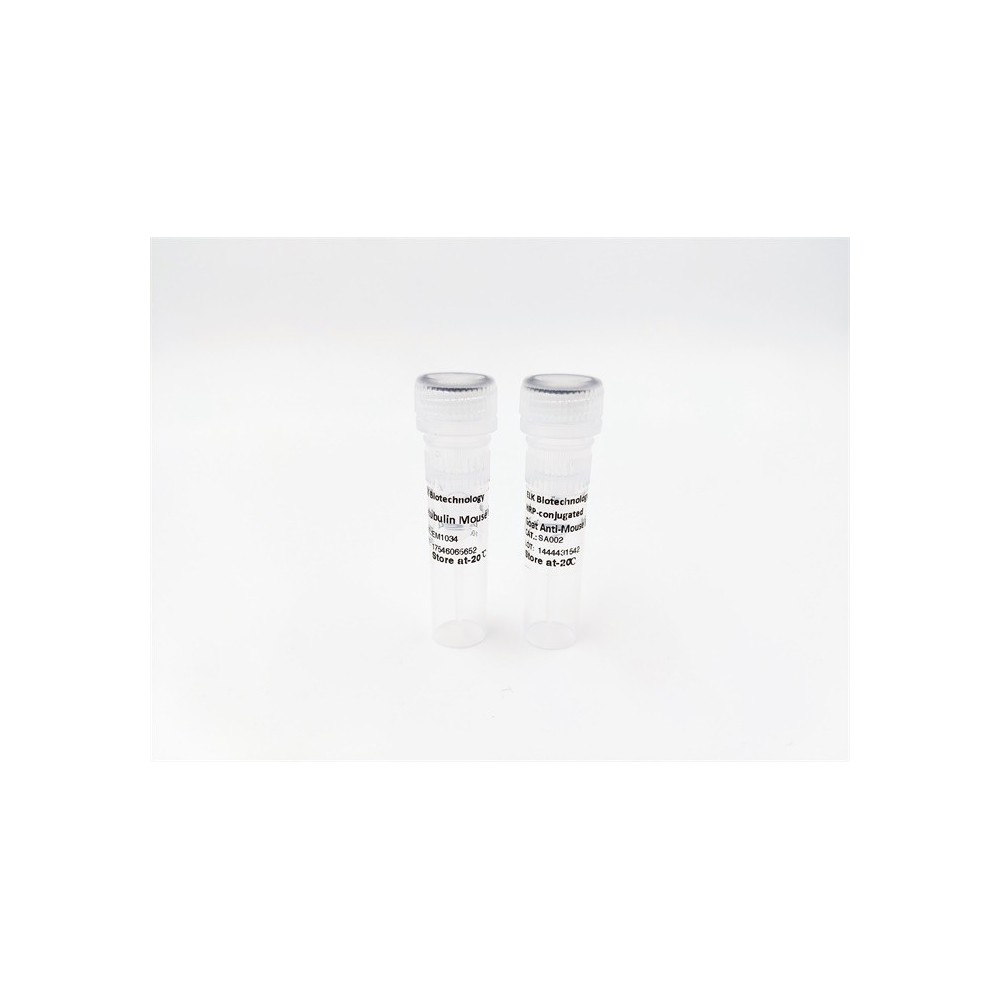

| ELK.No | ES15347 |
| Product name | KCNH4 rabbit pAb |
| Reactivity | Human;Rat |
| Applications | WB;ELISA;IHC |
| Other name | |
| Size | 100μL |
| Unit price ($) | 248 |
| Human gene ID | 23415 |
| Human Swiss-Prot | Q9UQ05 |
| Source | Rabbit |
| Isotype | IgG |
| Target | KCNH4 |
| Fields | |
| Gene name | KCNH4 |
| Protein name | KCNH4 |
| Human gene link | View Human Gene |
| Human Swiss link | View Human Swiss-Prot |
| Mouse gene ID | |
| Mouse gene link | |
| Mouse Swiss-Prot | |
| Mouse Swiss link | |
| Rat gene ID | 114032 |
| Rat gene link | View Rat Gene |
| Rat Swiss-Prot | Q9R1T9 |
| Rat Swiss link | View Rat Swiss-Prot |
| Immunogen | Synthesized peptide derived from human KCNH4.AA range:180-250 |
| Specificity | This antibody detects endogenous levels of KCNH4 at Human/Rat |
| Formulation | Liquid in PBS containing 50% glycerol, 0.5% BSA and 0.02% sodium azide. |
| Clonality | Polyclonal |
| Dilution | WB 1:500-2000;IHC-p 1:50-300; ELISA 2000-20000 |
| Purification | The antibody was affinity-purified from rabbit serum by affinity-chromatography using specific immunogen. |
| Concentration | 1 mg/ml |
| Storage stability | -20°C/1 year |
| Molecular Weight (Da) | 112kD |
| Observed band (KD) | |
| Background | Voltage-gated potassium (Kv) channels represent the most complex class of voltage-gated ion channels from both functional and structural standpoints. Their diverse functions include regulating neurotransmitter release, heart rate, insulin secretion, neuronal excitability, epithelial electrolyte transport, smooth muscle contraction, and cell volume. This gene encodes a member of the potassium channel, voltage-gated, subfamily H. This member is a pore-forming (alpha) subunit. The gene is brain-specific, and located in the neocortex and the striatum. It may be involved in cellular excitability of restricted neurons in the central nervous system. [provided by RefSeq, Jul 2008], |
| Function | domain:The segment S4 is probably the voltage-sensor and is characterized by a series of positively charged amino acids at every third position.,function:Pore-forming (alpha) subunit of voltage-gated potassium channel. Elicits an outward current, but shows no inactivation. Channel properties may be modulated by cAMP and subunit assembly.,similarity:Belongs to the potassium channel family. H (Eag) subfamily.,similarity:Contains 1 cyclic nucleotide-binding domain.,similarity:Contains 1 PAC (PAS-associated C-terminal) domain.,similarity:Contains 1 PAS (PER-ARNT-SIM) domain.,subunit:The potassium channel is probably composed of a homo- or heterotetrameric complex of pore-forming alpha subunits that can associate with modulating beta subunits.,tissue specificity:Detected only in brain, in particular in the telencephalon. Detected in putamen and caudate nucleus, and at lower levels in cerebral |
| Subcellular location | Membrane; Multi-pass membrane protein. |
| Expression | Detected only in brain, in particular in the telencephalon. Detected in putamen and caudate nucleus, and at lower levels in cerebral cortex, occipital and hippocampus. |



Use collapsible tabs for more detailed information that will help customers make a purchasing decision.
Ex: Shipping and return policies, size guides, and other common questions.