 Français
 English
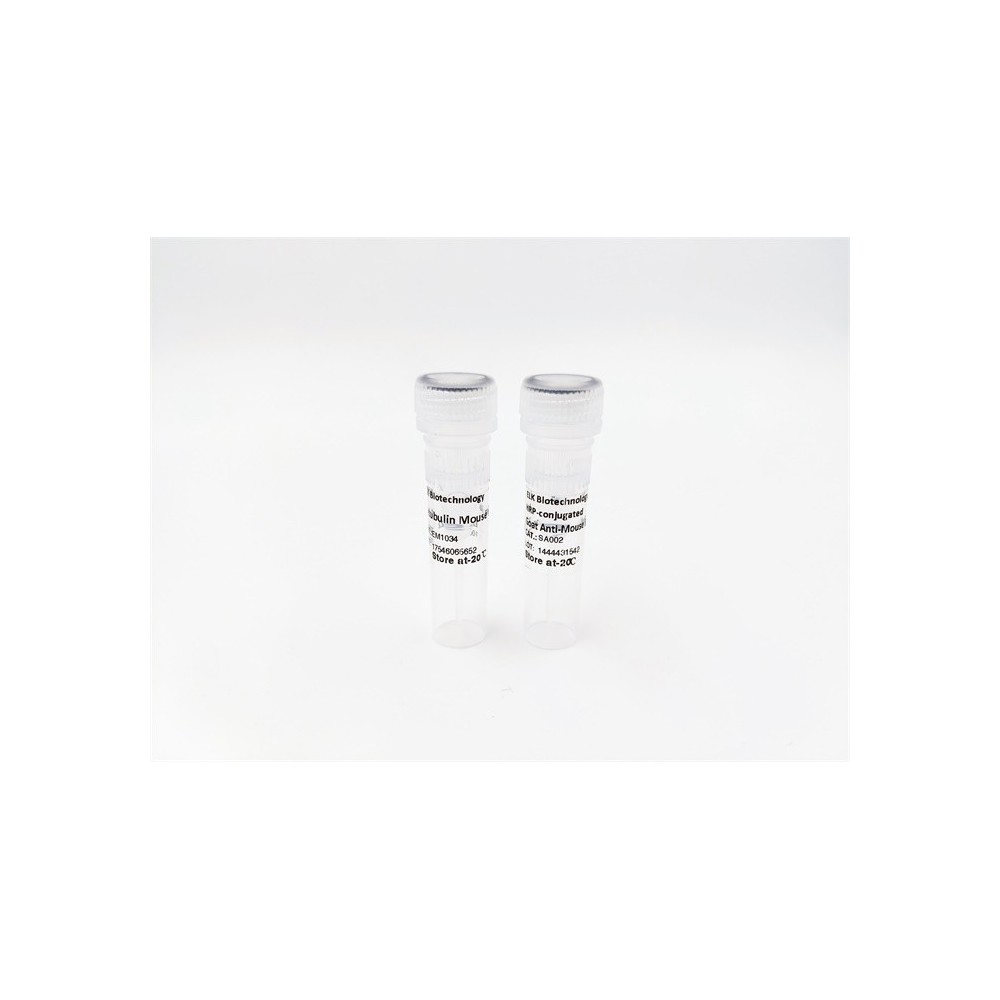

| ELK.No | ES2624 |
| Product name | INSL4 rabbit pAb |
| Reactivity | Human;Rat;Mouse; |
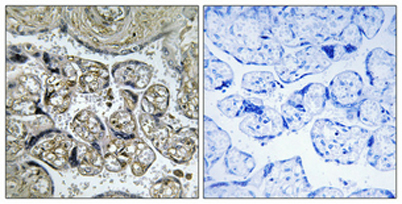
| Applications | WB;IHC;IF;ELISA |
| Other name | INSL4; Early placenta insulin-like peptide; EPIL; Insulin-like peptide 4; Placentin |
| Size | 100μL |
| Unit price ($) | 248 |
| Human gene ID | 3641 |
| Human Swiss-Prot | Q14641 |
| Source | Rabbit |
| Isotype | IgG |
| Target | INSL4 |
| Fields | |
| Gene name | INSL4 |
| Protein name | Early placenta insulin-like peptide |
| Human gene link | View Human Gene |
| Human Swiss link | View Human Swiss-Prot |
| Mouse gene ID | |
| Mouse gene link | |
| Mouse Swiss-Prot | |
| Mouse Swiss link | |
| Rat gene ID | |
| Rat gene link | |
| Rat Swiss-Prot | |
| Rat Swiss link | |
| Immunogen | The antiserum was produced against synthesized peptide derived from human INSL4. AA range:41-90 |
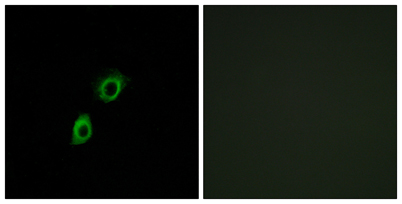
| Specificity | INSL4 Polyclonal Antibody detects endogenous levels of INSL4 protein. |
| Formulation | Liquid in PBS containing 50% glycerol, 0.5% BSA and 0.02% sodium azide. |
| Clonality | Polyclonal |
| Dilution | Western Blot: 1/500 - 1/2000. Immunohistochemistry: 1/100 - 1/300. Immunofluorescence: 1/200 - 1/1000. ELISA: 1/20000. Not yet tested in other applications. |
| Purification | The antibody was affinity-purified from rabbit antiserum by affinity-chromatography using epitope-specific immunogen. |
| Concentration | 1 mg/ml |
| Storage stability | -20°C/1 year |
| Molecular Weight (Da) | |
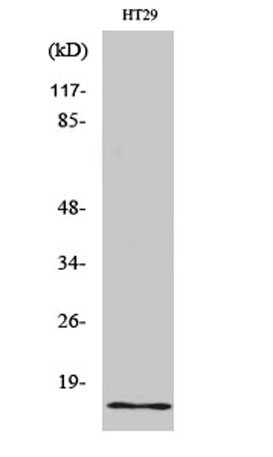
| Observed band (KD) | 19kD |
| Background | INSL4 encodes the insulin-like 4 protein, a member of the insulin superfamily. INSL4 encodes a precursor that undergoes post-translational cleavage to produce 3 polypeptide chains, A-C, that form tertiary structures composed of either all three chains, or just the A and B chains. Expression of INSL4 products occurs within the early placental cytotrophoblast and syncytiotrophoblast. [provided by RefSeq, Jul 2008], |
| Function | developmental stage:Highly expressed in the early placenta. Expression of epil peptides in the villous cytotrophoblast is different from that displayed by the syncytiotrophoblast. In fetal tissues it was identified in the perichondrium of all four limbs, vertebrae, and ribs. It was abundant in interbone ligaments.,function:May play an important role in trophoblast development and in the regulation of bone formation.,similarity:Belongs to the insulin family.,tissue specificity:Expressed in placenta, uterus and in fetal perichondrium. Expression levels were increased in both early placentas and molar pregnancies and were reduced in choriocarcinoma cells., |
| Subcellular location | Secreted . |
| Expression | Expressed in placenta, uterus and in fetal perichondrium. Expression levels were increased in both early placentas and molar pregnancies and were reduced in choriocarcinoma cells. |

Use collapsible tabs for more detailed information that will help customers make a purchasing decision.
Ex: Shipping and return policies, size guides, and other common questions.