 Français
 English
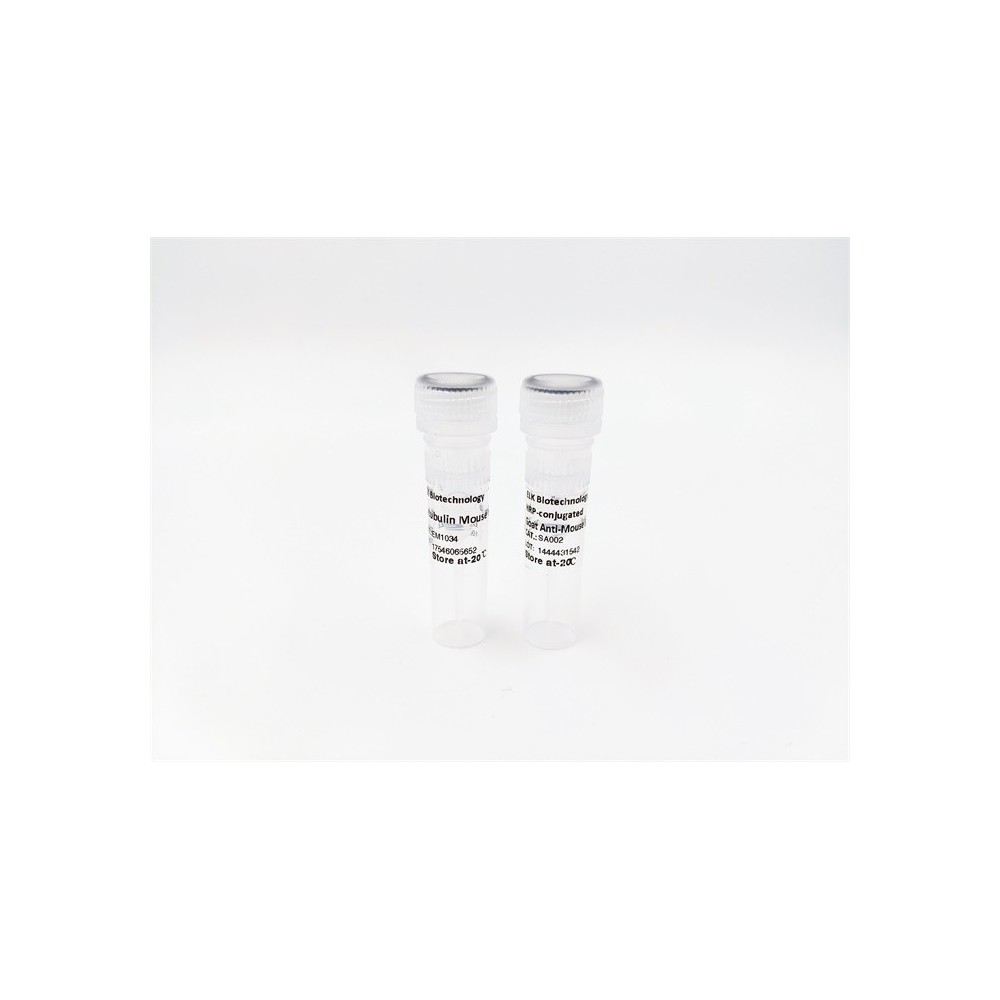

| ELK.No | ES3672 |
| Product name | UCP3 rabbit pAb |
| Reactivity | Human;Mouse;Rat |
| Applications | WB;ELISA |
| Other name | UCP3; SLC25A9; Mitochondrial uncoupling protein 3; UCP 3; Solute carrier family 25 member 9 |
| Size | 50μL |
| Unit price ($) | 148 |
| Human gene ID | 7352 |
| Human Swiss-Prot | P55916 |
| Source | Rabbit |
| Isotype | IgG |
| Target | UCP3 |
| Fields | |
| Gene name | UCP3 |
| Protein name | Mitochondrial uncoupling protein 3 |
| Human gene link | View Human Gene |
| Human Swiss link | View Human Swiss-Prot |
| Mouse gene ID | 22229 |
| Mouse gene link | View Mouse Gene |
| Mouse Swiss-Prot | P56501 |
| Mouse Swiss link | View Mouse Swiss-Prot |
| Rat gene ID | 25708 |
| Rat gene link | View Rat Gene |
| Rat Swiss-Prot | P56499 |
| Rat Swiss link | View Rat Swiss-Prot |
| Immunogen | The antiserum was produced against synthesized peptide derived from human UCP3. AA range:259-308 |
| Specificity | UCP3 Polyclonal Antibody detects endogenous levels of UCP3 protein. |
| Formulation | Liquid in PBS containing 50% glycerol, 0.5% BSA and 0.02% sodium azide. |
| Clonality | Polyclonal |
| Dilution | Western Blot: 1/500 - 1/2000. ELISA: 1/10000. Not yet tested in other applications. |
| Purification | The antibody was affinity-purified from rabbit antiserum by affinity-chromatography using epitope-specific immunogen. |
| Concentration | 1 mg/ml |
| Storage stability | -20°C/1 year |
| Molecular Weight (Da) | |
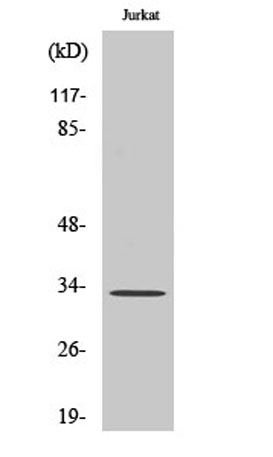
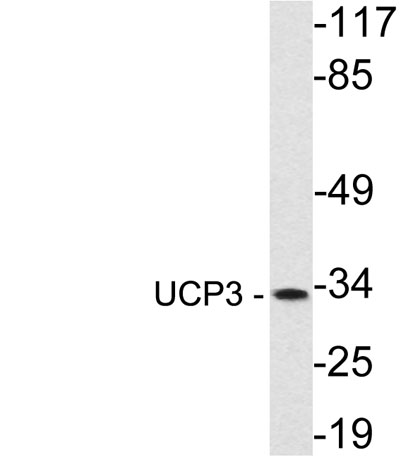
| Observed band (KD) | 33kD |
| Background | Mitochondrial uncoupling proteins (UCP) are members of the larger family of mitochondrial anion carrier proteins (MACP). UCPs separate oxidative phosphorylation from ATP synthesis with energy dissipated as heat, also referred to as the mitochondrial proton leak. UCPs facilitate the transfer of anions from the inner to the outer mitochondrial membrane and the return transfer of protons from the outer to the inner mitochondrial membrane. They also reduce the mitochondrial membrane potential in mammalian cells. The different UCPs have tissue-specific expression; this gene is primarily expressed in skeletal muscle. This gene's protein product is postulated to protect mitochondria against lipid-induced oxidative stress. Expression levels of this gene increase when fatty acid supplies to mitochondria exceed their oxidation capacity and the protein enables the export of fatty acids from mitochondria. |
| Function | disease:Defects in UCP3 may be involved in severe obesity [MIM:601665].,function:UCP are mitochondrial transporter proteins that create proton leaks across the inner mitochondrial membrane, thus uncoupling oxidative phosphorylation. As a result, energy is dissipated in the form of heat. May play a role in the modulation of tissue respiratory control. Participates in thermogenesis and energy balance.,similarity:Belongs to the mitochondrial carrier family.,similarity:Contains 3 Solcar repeats.,tissue specificity:Only in skeletal muscle and heart. Is more expressed in glycolytic than in oxidative skeletal muscles., |
| Subcellular location | Mitochondrion inner membrane ; Multi-pass membrane protein . |
| Expression | Only in skeletal muscle and heart. Is more expressed in glycolytic than in oxidative skeletal muscles. |

Use collapsible tabs for more detailed information that will help customers make a purchasing decision.
Ex: Shipping and return policies, size guides, and other common questions.