 Français
 English
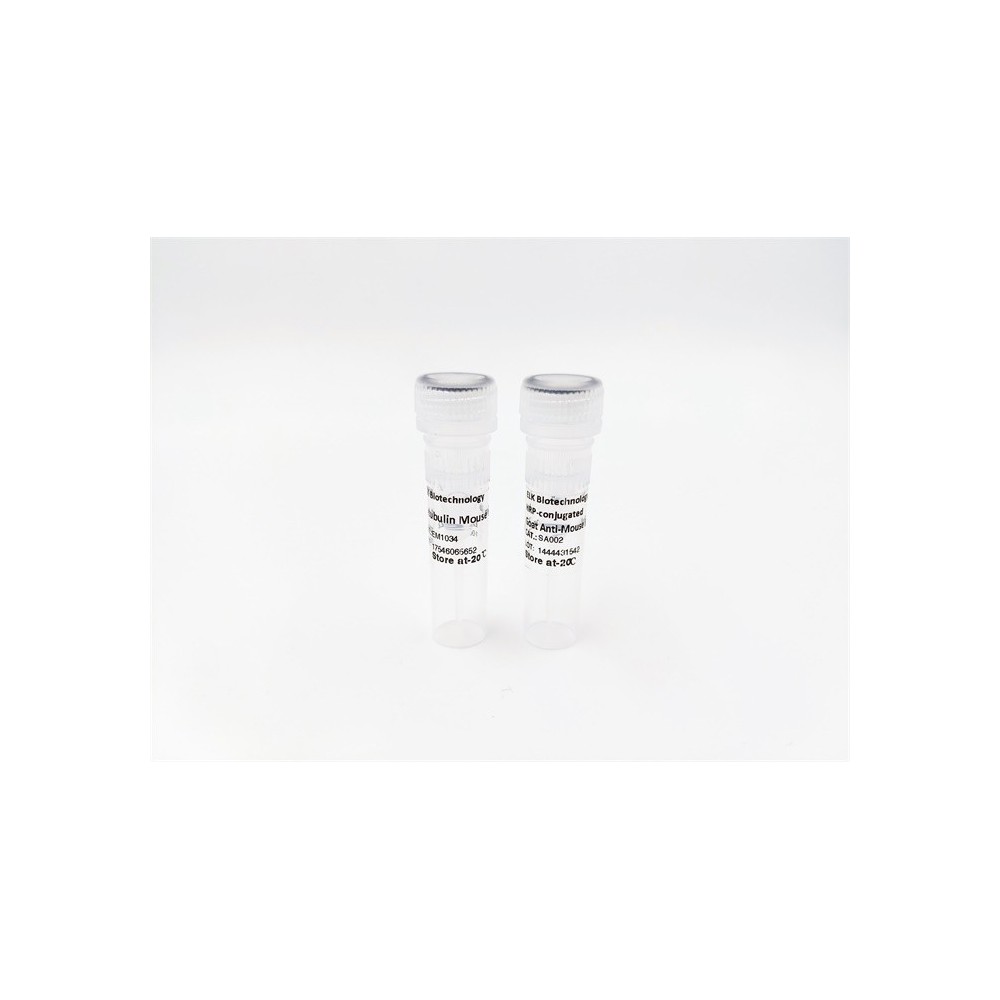

| ELK.No | ES3788 |
| Product name | APLP-1 rabbit pAb |
| Reactivity | Human;Mouse |
| Applications | WB;IHC;IF;ELISA |
| Other name | APLP1; Amyloid-like protein 1; APLP; APLP-1 |
| Size | 50μL |
| Unit price ($) | 148 |
| Human gene ID | 333 |
| Human Swiss-Prot | P51693 |
| Source | Rabbit |
| Isotype | IgG |
| Target | APLP-1 |
| Fields | |
| Gene name | APLP1 |
| Protein name | Amyloid-like protein 1 |
| Human gene link | View Human Gene |
| Human Swiss link | View Human Swiss-Prot |
| Mouse gene ID | 11803 |
| Mouse gene link | View Mouse Gene |
| Mouse Swiss-Prot | Q03157 |
| Mouse Swiss link | View Mouse Swiss-Prot |
| Rat gene ID | |
| Rat gene link | |
| Rat Swiss-Prot | |
| Rat Swiss link | |
| Immunogen | Synthesized peptide derived from APLP-1 . at AA range: 360-440 |
| Specificity | APLP-1 Polyclonal Antibody detects endogenous levels of APLP-1 protein. |
| Formulation | Liquid in PBS containing 50% glycerol, 0.5% BSA and 0.02% sodium azide. |
| Clonality | Polyclonal |
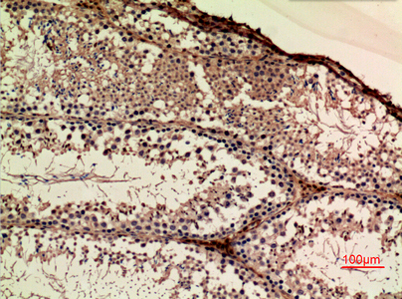
| Dilution | Western Blot: 1/500 - 1/2000. IHC-p: 1:100-300 ELISA: 1/10000. Not yet tested in other applications. |
| Purification | The antibody was affinity-purified from rabbit antiserum by affinity-chromatography using epitope-specific immunogen. |
| Concentration | 1 mg/ml |
| Storage stability | -20°C/1 year |
| Molecular Weight (Da) | |
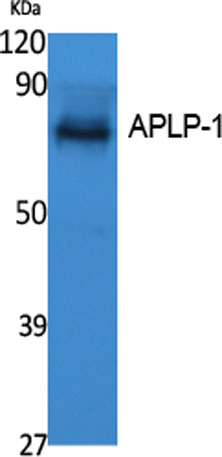
| Observed band (KD) | 72kD |
| Background | This gene encodes a member of the highly conserved amyloid precursor protein gene family. The encoded protein is a membrane-associated glycoprotein that is cleaved by secretases in a manner similar to amyloid beta A4 precursor protein cleavage. This cleavage liberates an intracellular cytoplasmic fragment that may act as a transcriptional activator. The encoded protein may also play a role in synaptic maturation during cortical development. Alternatively spliced transcript variants encoding different isoforms have been described. [provided by RefSeq, Jul 2008], |
| Function | domain:The NPXY sequence motif found in many tyrosine-phosphorylated proteins is required for the specific binding of the PID domain. However, additional amino acids either N- or C-terminal to the NPXY motif are often required for complete interaction. The NPXY site is also involved in clathrin-mediated endocytosis.,function:May play a role in postsynaptic function. The C-terminal gamma-secretase processed fragment, ALID1, activates transcription activation through APBB1 (Fe65) binding (By similarity). Couples to JIP signal transduction through C-terminal binding. May interact with cellular G-protein signaling pathways. Can regulate neurite outgrowth through binding to components of the extracellular matrix such as heparin and collagen I.,function:The gamma-CTF peptide, C30, is a potent enhancer of neuronal apoptosis.,miscellaneous:Binds zinc and copper in the extracellular domain. Zinc- |
| Subcellular location | Cell membrane; Single-pass type I membrane protein.; [C30]: Cytoplasm. C-terminally processed in the Golgi complex. |
| Expression | Expressed in the cerebral cortex where it is localized to the postsynaptic density (PSD). |

Use collapsible tabs for more detailed information that will help customers make a purchasing decision.
Ex: Shipping and return policies, size guides, and other common questions.