 Français
 English
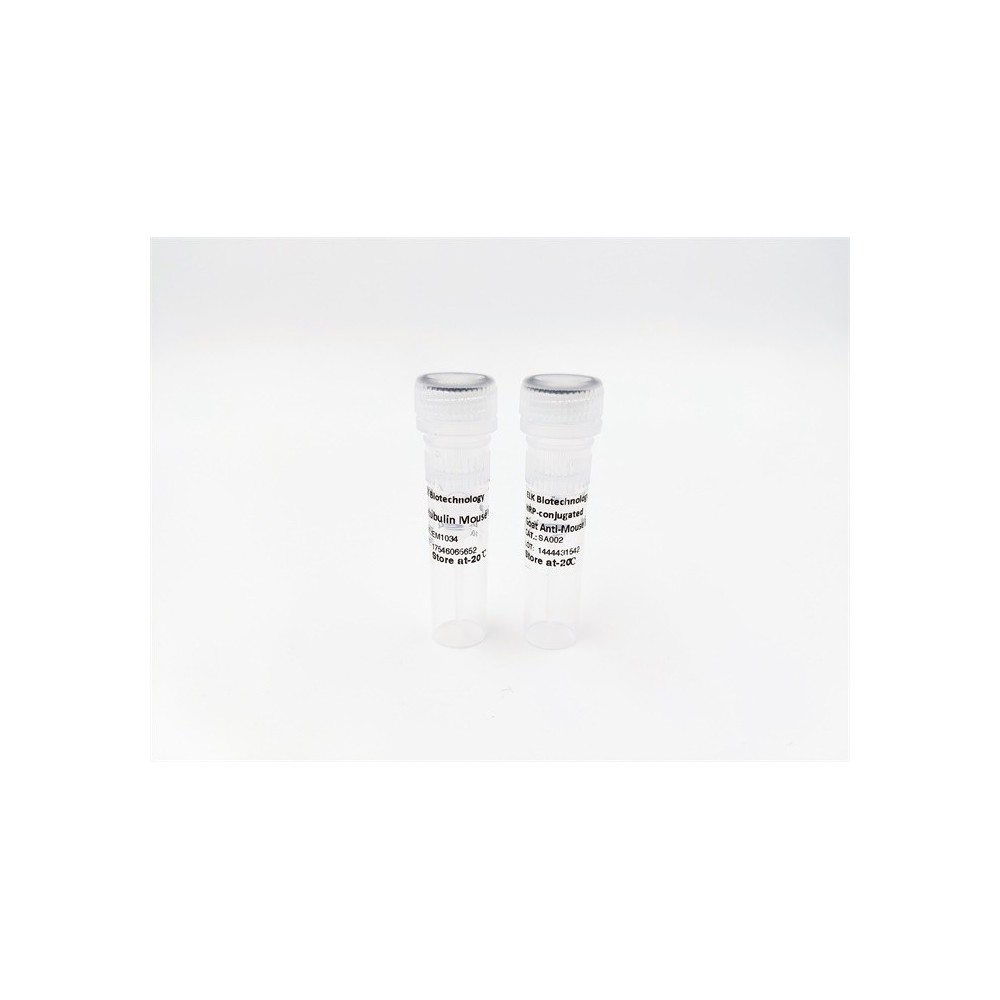

| ELK.No | ES3949 |
| Product name | Lipocalin-1 rabbit pAb |
| Reactivity | Human;Rat;Mouse; |
| Applications | WB;IHC;IF;ELISA |
| Other name | LCN1; VEGP; Lipocalin-1; Tear lipocalin; Tlc; Tear prealbumin; TP; Von Ebner gland protein; VEG protein |
| Size | 100μL |
| Unit price ($) | 248 |
| Human gene ID | 3933 |
| Human Swiss-Prot | P31025 |
| Source | Rabbit |
| Isotype | IgG |
| Target | Lipocalin-1 |
| Fields | |
| Gene name | LCN1 |
| Protein name | Lipocalin-1 |
| Human gene link | View Human Gene |
| Human Swiss link | View Human Swiss-Prot |
| Mouse gene ID | |
| Mouse gene link | |
| Mouse Swiss-Prot | |
| Mouse Swiss link | |
| Rat gene ID | |
| Rat gene link | |
| Rat Swiss-Prot | |
| Rat Swiss link | |
| Immunogen | The antiserum was produced against synthesized peptide derived from the Internal region of human LCN1. AA range:11-60 |
| Specificity | Lipocalin-1 Polyclonal Antibody detects endogenous levels of Lipocalin-1 protein. |
| Formulation | Liquid in PBS containing 50% glycerol, 0.5% BSA and 0.02% sodium azide. |
| Clonality | Polyclonal |
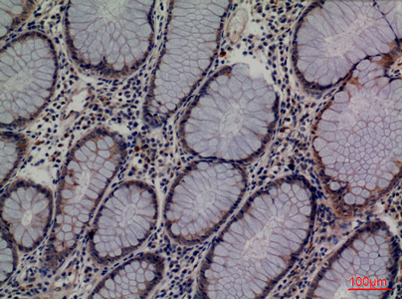
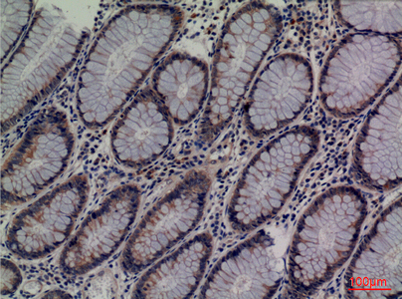
| Dilution | Western Blot: 1/500 - 1/2000. IHC-p: 1:100-300 ELISA: 1/20000. Not yet tested in other applications. |
| Purification | The antibody was affinity-purified from rabbit antiserum by affinity-chromatography using epitope-specific immunogen. |
| Concentration | 1 mg/ml |
| Storage stability | -20°C/1 year |
| Molecular Weight (Da) | |
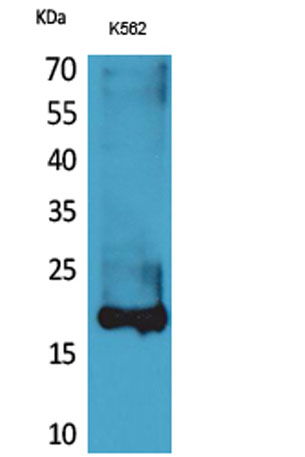
| Observed band (KD) | 21kD |
| Background | This gene encodes a member of the lipocalin family of small secretory proteins. Lipocalins are extracellular transport proteins that bind to a variety of hydrophobic ligands. The encoded protein is the primary lipid binding protein in tears and is overproduced in response to multiple stimuli including infection and stress. The encoded protein may be a marker for chromosome aneuploidy as well as an autoantigen in Sjogren's syndrome. Alternatively spliced transcript variants encoding multiple isoforms have been observed for this gene, and two pseudogenes of this gene are also located on the long arm of chromosome 9. [provided by RefSeq, Nov 2011], |
| Function | caution:Could be the product of a pseudogene.,function:Could play a role in taste reception. Could be necessary for the concentration and delivery of sapid molecules in the gustatory system. Can bind various ligands, with chemical structures ranging from lipids and retinoids to the macrocyclic antibiotic rifampicin and even to microbial siderophores. Exhibits an extremely wide ligand pocket.,function:May bind a variety of ligands including lipids.,similarity:Belongs to the calycin superfamily. Lipocalin family.,subunit:Homodimer (By similarity). Binds to LMBR1L which may mediate its endocytosis.,tissue specificity:Mainly expressed in lachrymal and salivary glands. Also expressed in the prostate., |
| Subcellular location | Secreted. |
| Expression | Mainly expressed in lachrymal and salivary glands. Also expressed in the prostate. |

Use collapsible tabs for more detailed information that will help customers make a purchasing decision.
Ex: Shipping and return policies, size guides, and other common questions.