 Français
 English
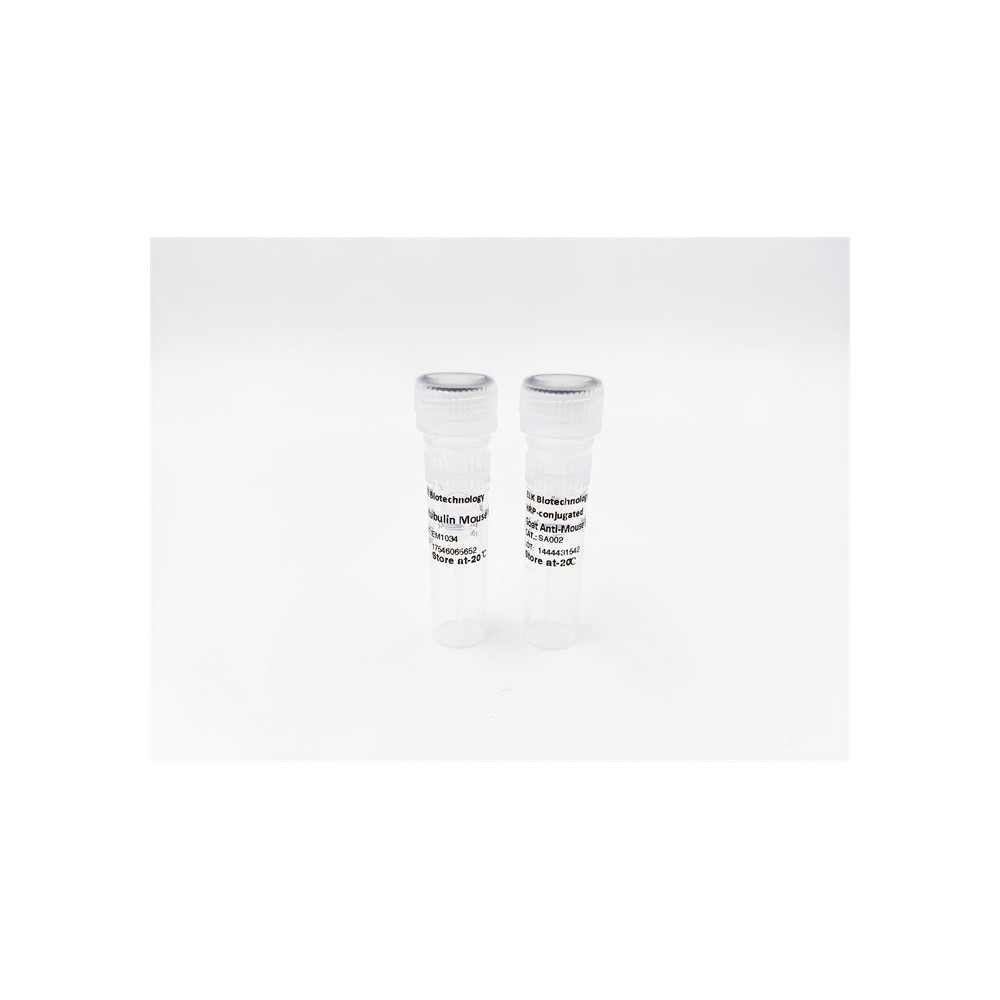

| ELK.No | ES3951 |
| Product name | Protein C rabbit pAb |
| Reactivity | Human;Rat;Mouse; |
| Applications | WB;IHC;IF;ELISA |
| Other name | PROC; Vitamin K-dependent protein C; Anticoagulant protein C; Autoprothrombin IIA; Blood coagulation factor XIV |
| Size | 100μL |
| Unit price ($) | 248 |
| Human gene ID | 5624 |
| Human Swiss-Prot | P04070 |
| Source | Rabbit |
| Isotype | IgG |
| Target | Protein C |
| Fields | >>Complement and coagulation cascades |
| Gene name | PROC |
| Protein name | Vitamin K-dependent protein C |
| Human gene link | View Human Gene |
| Human Swiss link | View Human Swiss-Prot |
| Mouse gene ID | |
| Mouse gene link | |
| Mouse Swiss-Prot | P33587 |
| Mouse Swiss link | View Mouse Swiss-Prot |
| Rat gene ID | |
| Rat gene link | |
| Rat Swiss-Prot | |
| Rat Swiss link | |
| Immunogen | The antiserum was produced against synthesized peptide derived from the Internal region of human PROC. AA range:181-230 |
| Specificity | Protein C Polyclonal Antibody detects endogenous levels of Protein C protein. |
| Formulation | Liquid in PBS containing 50% glycerol, 0.5% BSA and 0.02% sodium azide. |
| Clonality | Polyclonal |
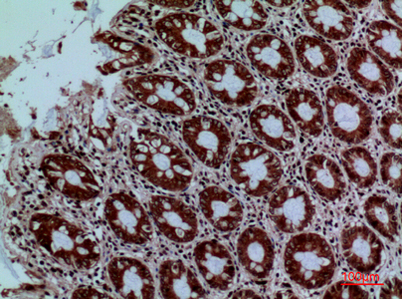
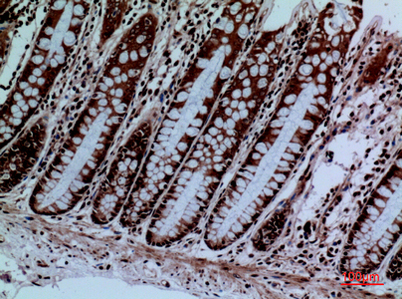
| Dilution | Western Blot: 1/500 - 1/2000. IHC-p: 1:100-300 ELISA: 1/20000. Not yet tested in other applications. |
| Purification | The antibody was affinity-purified from rabbit antiserum by affinity-chromatography using epitope-specific immunogen. |
| Concentration | 1 mg/ml |
| Storage stability | -20°C/1 year |
| Molecular Weight (Da) | |
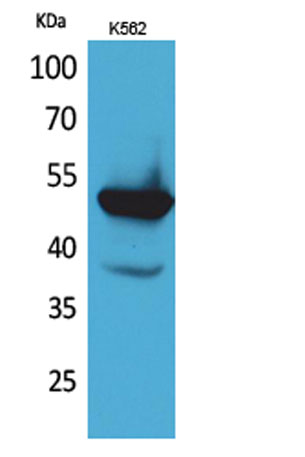
| Observed band (KD) | 52kD |
| Background | This gene encodes a vitamin K-dependent plasma glycoprotein. The encoded protein is cleaved to its activated form by the thrombin-thrombomodulin complex. This activated form contains a serine protease domain and functions in degradation of the activated forms of coagulation factors V and VIII. Mutations in this gene have been associated with thrombophilia due to protein C deficiency, neonatal purpura fulminans, and recurrent venous thrombosis.[provided by RefSeq, Dec 2009], |
| Function | catalytic activity:Degradation of blood coagulation factors Va and VIIIa.,disease:Defects in PROC are the cause of protein C deficiency autosomal dominant (ADPROCD) [MIM:176860]. ADPROCD is a cause of hereditary thrombophilia, a hemostatic disorder characterized by impaired regulation of blood coagulation and a tendency to recurrent venous thrombosis. However, many adults with heterozygous disease may be asymptomatic. Individuals with decreased amounts of protein C are classically referred to as having type I protein C deficiency and those with normal amounts of a functionally defective protein as having type II deficiency.,disease:Defects in PROC are the cause of protein C deficiency autosomal recessive (ARPROCD) [MIM:612304]. ARPROCD results in a thrombotic condition that can manifest as a severe neonatal disorder or as a milder disorder with late-onset thrombophilia. The severe form l |
| Subcellular location | Secreted . Golgi apparatus . Endoplasmic reticulum . |
| Expression | Plasma; synthesized in the liver. |

Use collapsible tabs for more detailed information that will help customers make a purchasing decision.
Ex: Shipping and return policies, size guides, and other common questions.