 Français
 English
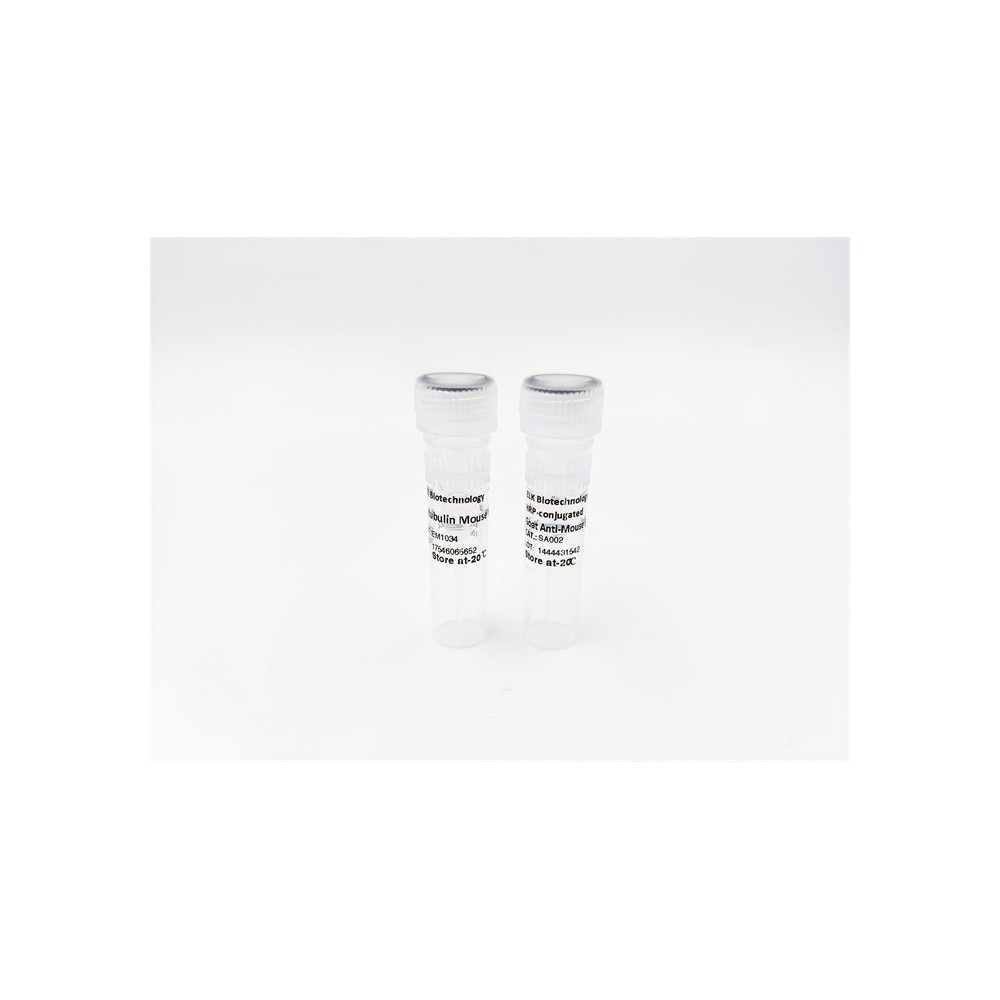

| ELK.No | ES3970 |
| Product name | CD1E rabbit pAb |
| Reactivity | Human;Rat;Mouse; |
| Applications | WB;IHC;IF;ELISA |
| Other name | CD1E; T-cell surface glycoprotein CD1e, membrane-associated; hCD1e; R2G1; CD1e |
| Size | 50μL |
| Unit price ($) | 148 |
| Human gene ID | 913 |
| Human Swiss-Prot | P15812 |
| Source | Rabbit |
| Isotype | IgG |
| Target | CD1E |
| Fields | >>Tight junction;>>Hematopoietic cell lineage;>>Amoebiasis |
| Gene name | CD1E |
| Protein name | T-cell surface glycoprotein CD1e membrane-associated |
| Human gene link | View Human Gene |
| Human Swiss link | View Human Swiss-Prot |
| Mouse gene ID | |
| Mouse gene link | |
| Mouse Swiss-Prot | |
| Mouse Swiss link | |
| Rat gene ID | |
| Rat gene link | |
| Rat Swiss-Prot | |
| Rat Swiss link | |
| Immunogen | The antiserum was produced against synthesized peptide derived from the C-terminal region of human CD1E. AA range:321-370 |
| Specificity | CD1E Polyclonal Antibody detects endogenous levels of CD1E protein. |
| Formulation | Liquid in PBS containing 50% glycerol, 0.5% BSA and 0.02% sodium azide. |
| Clonality | Polyclonal |
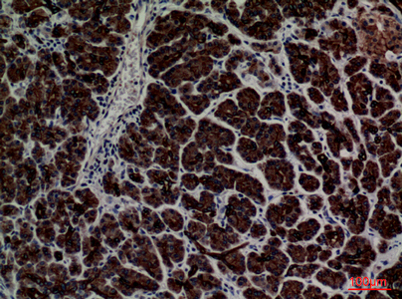
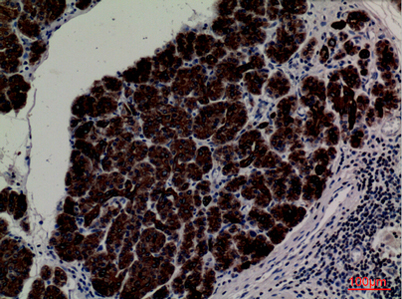
| Dilution | Western Blot: 1/500 - 1/2000. IHC-p: 1:100-300 ELISA: 1/20000. Not yet tested in other applications. |
| Purification | The antibody was affinity-purified from rabbit antiserum by affinity-chromatography using epitope-specific immunogen. |
| Concentration | 1 mg/ml |
| Storage stability | -20°C/1 year |
| Molecular Weight (Da) | |
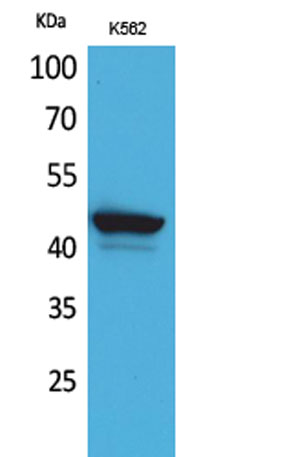
| Observed band (KD) | 42kD |
| Background | This gene encodes a member of the CD1 family of transmembrane glycoproteins, which are structurally related to the major histocompatibility complex (MHC) proteins and form heterodimers with beta-2-microglobulin. The CD1 proteins mediate the presentation of primarily lipid and glycolipid antigens of self or microbial origin to T cells. The human genome contains five CD1 family genes organized in a cluster on chromosome 1. The CD1 family members are thought to differ in their cellular localization and specificity for particular lipid ligands. The protein encoded by this gene localizes within Golgi compartments, endosomes, and lysosomes, and is cleaved into a stable soluble form. The soluble form is required for the intracellular processing of some glycolipids into a form that can be presented by other CD1 family members. Many alternatively spliced transcript variants encoding different isoforms have been desc |
| Function | function:Required for the presentation of glycolipid antigens on the cell surface.,PTM:Mono-ubiquitinated.,PTM:Proteolytically cleaved in endosomes to yield a soluble form.,similarity:Contains 1 Ig-like (immunoglobulin-like) domain.,subcellular location:Predominantly localized in the trans-Golgi network in immature dendritic cells, and as a cleaved, soluble protein in the lysosome lumen of mature dendritic cells.,subunit:Heterodimer with B2M (beta-2-microglobulin).,tissue specificity:Expressed on cortical thymocytes, dendritic cells, Langerhans cells, on certain T-cell leukemias, and in various other tissues., |
| Subcellular location | [T-cell surface glycoprotein CD1e, membrane-associated]: Golgi apparatus membrane; Single-pass type I membrane protein. Early endosome. Late endosome. Predominantly localized in the trans-Golgi network in immature dendritic cells, and as a cleaved, soluble protein in the lysosome lumen of mature dendritic cells.; [T-cell surface glycoprotein CD1e, soluble]: Lysosome lumen. |
| Expression | Expressed on cortical thymocytes, dendritic cells, Langerhans cells, on certain T-cell leukemias, and in various other tissues. |

Use collapsible tabs for more detailed information that will help customers make a purchasing decision.
Ex: Shipping and return policies, size guides, and other common questions.