 Français
 English
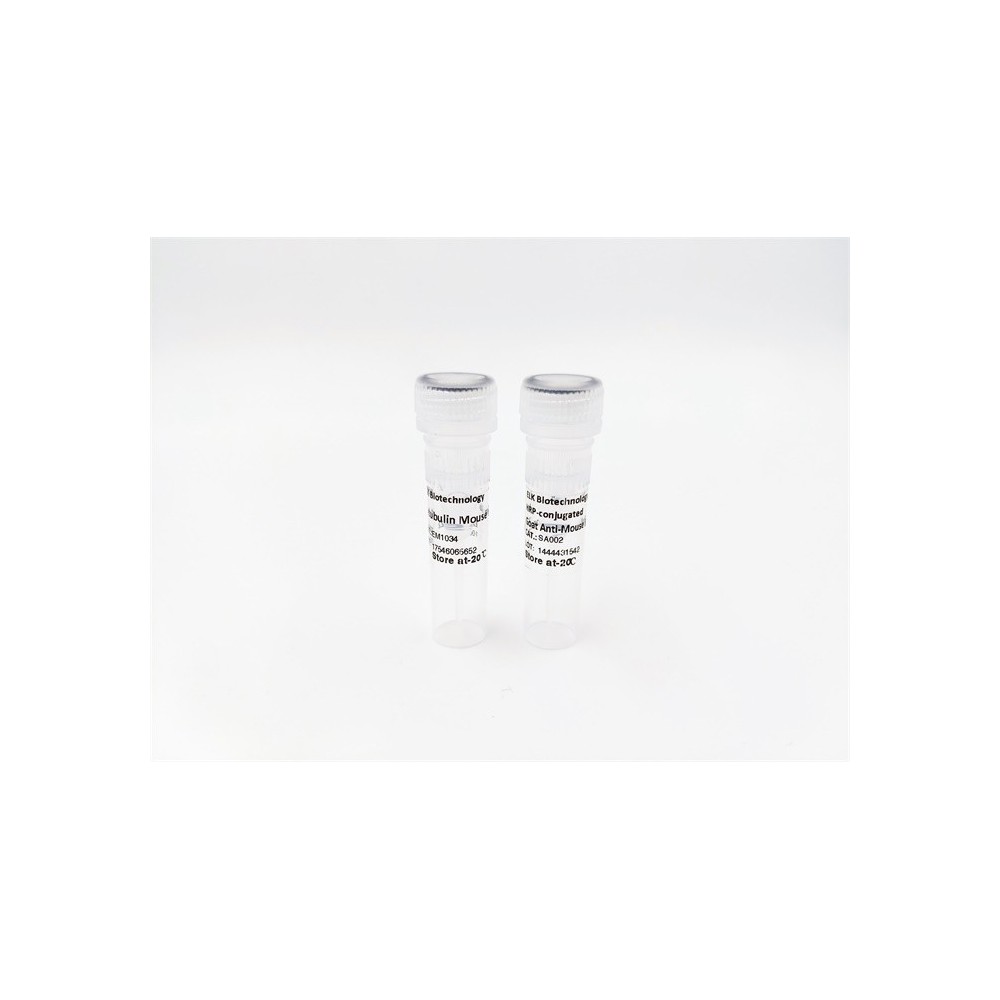

| ELK.No | ES4113 |
| Product name | gp91-phox rabbit pAb |
| Reactivity | Human;Rat;Mouse; |
| Applications | WB;IHC;IF;ELISA |
| Other name | CYBB; NOX2; Cytochrome b-245 heavy chain; CGD91-phox; Cytochrome b(558) subunit beta; Cytochrome b558 subunit beta; Heme-binding membrane glycoprotein gp91phox; NADPH oxidase 2Neutrophil cytochrome b 91 kDa polypeptide; Superoxide-generating NADPH oxidase heavy chain subunit; gp91-1; gp91-phox; p22 phagocyte B-cytochrome |
| Size | 50μL |
| Unit price ($) | 148 |
| Human gene ID | 1536 |
| Human Swiss-Prot | P04839 |
| Source | Rabbit |
| Isotype | IgG |
| Target | gp91-phox |
| Fields | >>HIF-1 signaling pathway;>>Phagosome;>>Ferroptosis;>>Necroptosis;>>Neutrophil extracellular trap formation;>>NOD-like receptor signaling pathway;>>Leukocyte transendothelial migration;>>AGE-RAGE signaling pathway in diabetic complications;>>Alzheimer disease;>>Prion disease;>>Pathways of neurodegeneration - multiple diseases;>>Leishmaniasis;>>Coronavirus disease - COVID-19;>>Diabetic cardiomyopathy;>>Lipid and atherosclerosis |
| Gene name | CYBB |
| Protein name | Cytochrome b-245 heavy chain |
| Human gene link | View Human Gene |
| Human Swiss link | View Human Swiss-Prot |
| Mouse gene ID | |
| Mouse gene link | |
| Mouse Swiss-Prot | Q61093 |
| Mouse Swiss link | View Mouse Swiss-Prot |
| Rat gene ID | |
| Rat gene link | |
| Rat Swiss-Prot | |
| Rat Swiss link | |
| Immunogen | The antiserum was produced against synthesized peptide derived from the Internal region of human CYBB. AA range:111-160 |
| Specificity | gp91-phox Polyclonal Antibody detects endogenous levels of gp91-phox protein. |
| Formulation | Liquid in PBS containing 50% glycerol, 0.5% BSA and 0.02% sodium azide. |
| Clonality | Polyclonal |
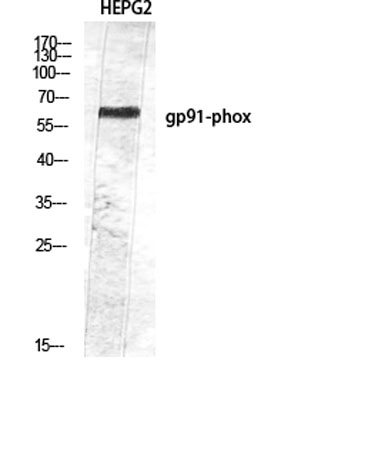
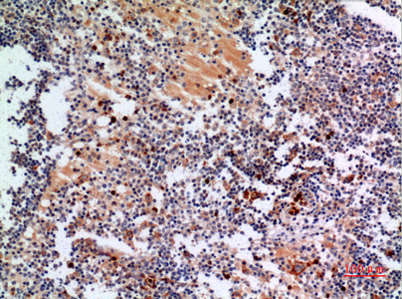
| Dilution | Western Blot: 1/500 - 1/2000. IHC-p: 1/100-1/300. ELISA: 1/20000. Not yet tested in other applications. |
| Purification | The antibody was affinity-purified from rabbit antiserum by affinity-chromatography using epitope-specific immunogen. |
| Concentration | 1 mg/ml |
| Storage stability | -20°C/1 year |
| Molecular Weight (Da) | |
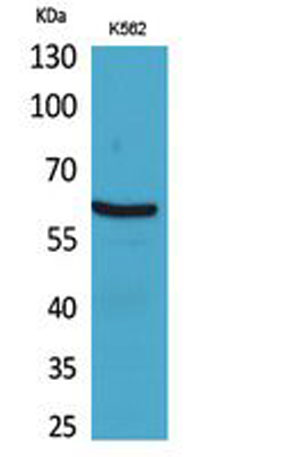
| Observed band (KD) | 70kD |
| Background | Cytochrome b (-245) is composed of cytochrome b alpha (CYBA) and beta (CYBB) chain. It has been proposed as a primary component of the microbicidal oxidase system of phagocytes. CYBB deficiency is one of five described biochemical defects associated with chronic granulomatous disease (CGD). In this disorder, there is decreased activity of phagocyte NADPH oxidase; neutrophils are able to phagocytize bacteria but cannot kill them in the phagocytic vacuoles. The cause of the killing defect is an inability to increase the cell's respiration and consequent failure to deliver activated oxygen into the phagocytic vacuole. [provided by RefSeq, Jul 2008], |
| Function | cofactor:FAD.,disease:Defects in CYBB are a cause of chronic granulomatous disease X-linked (XCGD) [MIM:306400]. Chronic granulomatous disease is a genetically heterogeneous disorder characterized by the inability of neutrophils and phagocytes to kill microbes that they have ingested. Patients suffer from life-threatening bacterial/fungal infections.,function:Critical component of the membrane-bound oxidase of phagocytes that generates superoxide. It is the terminal component of a respiratory chain that transfers single electrons from cytoplasmic NADPH across the plasma membrane to molecular oxygen on the exterior. Also functions as a voltage-gated proton channel that mediates the H(+) currents of resting phagocytes. It participates in the regulation of cellular pH and is blocked by zinc.,online information:CYBB deficiency database,PTM:Glycosylated.,similarity:Contains 1 FAD-binding FR-t |
| Subcellular location | Cell membrane; Multi-pass membrane protein. As unassembled monomer may localize to the endoplasmic reticulum. . |
| Expression | Detected in neutrophils (at protein level). |

Use collapsible tabs for more detailed information that will help customers make a purchasing decision.
Ex: Shipping and return policies, size guides, and other common questions.