 Français
 English
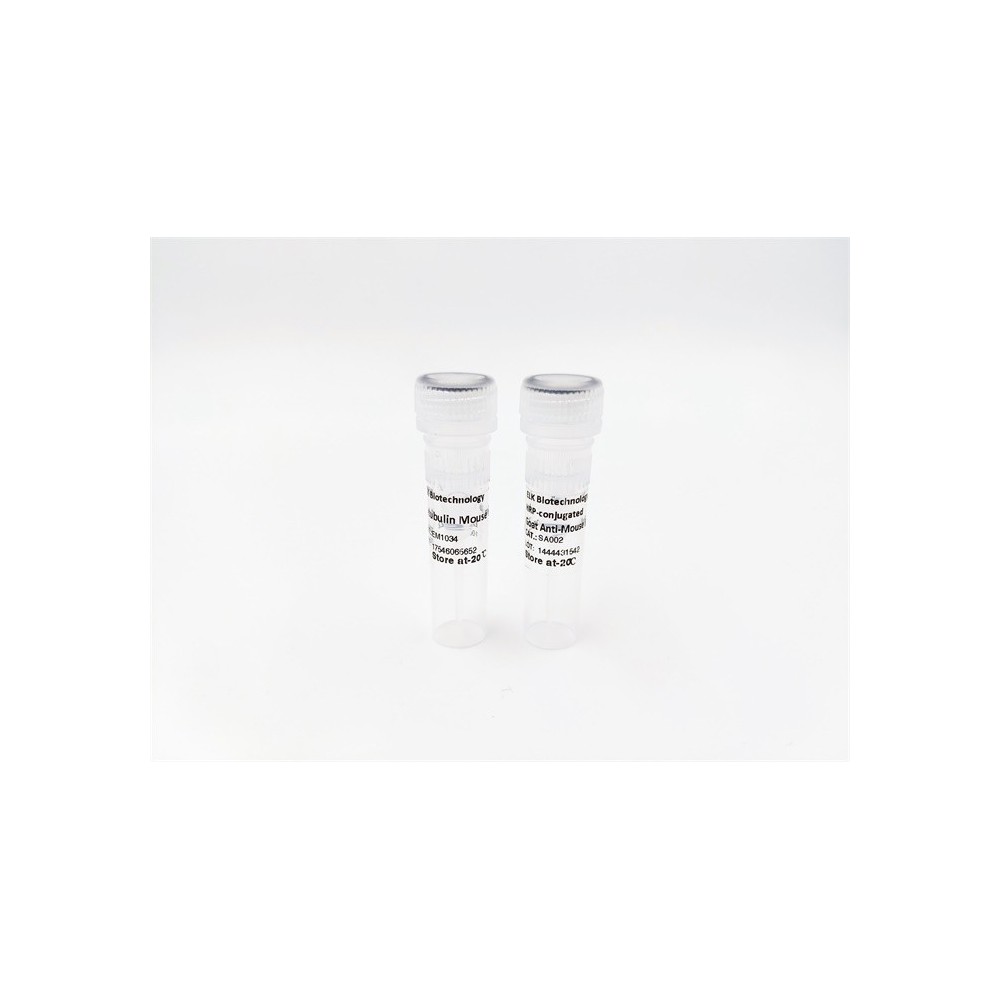

| ELK.No | ES4371 |
| Product name | Amphiregulin rabbit pAb |
| Reactivity | Human;Rat;Mouse; |
| Applications | WB;ELISA |
| Other name | AREG; SDGF; AREGB; Amphiregulin; AR; Colorectum cell-derived growth factor; CRDGF |
| Size | 50μL |
| Unit price ($) | 148 |
| Human gene ID | 374/727738 |
| Human Swiss-Prot | P15514 |
| Source | Rabbit |
| Isotype | IgG |
| Target | Amphiregulin |
| Fields | >>MAPK signaling pathway;>>ErbB signaling pathway;>>PI3K-Akt signaling pathway;>>Hippo signaling pathway;>>Colorectal cancer |
| Gene name | AREG/AREGB |
| Protein name | Amphiregulin |
| Human gene link | View Human Gene |
| Human Swiss link | View Human Swiss-Prot |
| Mouse gene ID | 11839 |
| Mouse gene link | View Mouse Gene |
| Mouse Swiss-Prot | P31955 |
| Mouse Swiss link | View Mouse Swiss-Prot |
| Rat gene ID | 29183 |
| Rat gene link | View Rat Gene |
| Rat Swiss-Prot | P24338 |
| Rat Swiss link | View Rat Swiss-Prot |
| Immunogen | The antiserum was produced against synthesized peptide derived from the Internal region of human AREG/AREGB. AA range:91-140 |
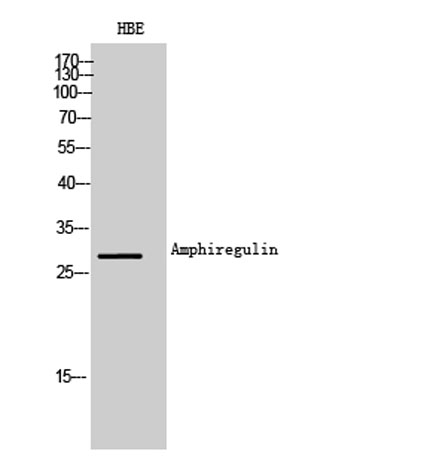
| Specificity | Amphiregulin Polyclonal Antibody detects endogenous levels of Amphiregulin protein. |
| Formulation | Liquid in PBS containing 50% glycerol, 0.5% BSA and 0.02% sodium azide. |
| Clonality | Polyclonal |
| Dilution | Western Blot: 1/500 - 1/2000. ELISA: 1/10000. Not yet tested in other applications. |
| Purification | The antibody was affinity-purified from rabbit antiserum by affinity-chromatography using epitope-specific immunogen. |
| Concentration | 1 mg/ml |
| Storage stability | -20°C/1 year |
| Molecular Weight (Da) | |
| Observed band (KD) | 17kD |
| Background | The protein encoded by this gene is a member of the epidermal growth factor family. It is an autocrine growth factor as well as a mitogen for astrocytes, Schwann cells and fibroblasts. It is related to epidermal growth factor (EGF) and transforming growth factor alpha (TGF-alpha). The protein interacts with the EGF/TGF-alpha receptor to promote the growth of normal epithelial cells, and it inhibits the growth of certain aggressive carcinoma cell lines. It also functions in mammary gland, oocyte and bone tissue development. This gene is associated with a psoriasis-like skin phenotype, and is also associated with other pathological disorders, including various types of cancers and inflammatory conditions. [provided by RefSeq, Apr 2014], |
| Function | function:Bifunctional growth-modulating glycoprotein. Inhibits growth of several human carcinoma cells in culture and stimulates proliferation of human fibroblasts and certain other tumor cells.,induction:By phorbol 12-myristate 13-acetate (PMA).,miscellaneous:AR is a protein containing cysteines in disulfide linkage(s) that are essential for its biological activity. AR may contain oligosaccharides and/or lipid moieties that are not obligatory for the biological activity.,similarity:Belongs to the amphiregulin family.,similarity:Contains 1 EGF-like domain.,subunit:The immature precursor interacts with CNIH., |
| Subcellular location | Membrane; Single-pass membrane protein. |
| Expression | Brain,Pooled, |

Use collapsible tabs for more detailed information that will help customers make a purchasing decision.
Ex: Shipping and return policies, size guides, and other common questions.