 Français
 English

| ELK.No | ES6568 |
| Product name | ATP5G3 rabbit pAb |
| Reactivity | Human;Rat |
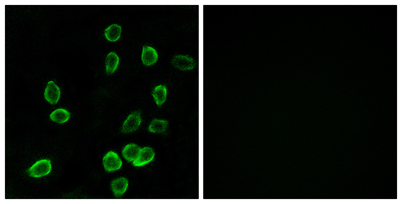
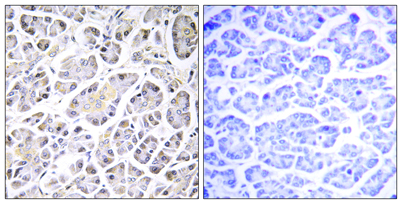
| Applications | IHC;IF;ELISA |
| Other name | ATP5G3; ATP synthase lipid-binding protein; mitochondrial; ATP synthase proteolipid P3; ATPase protein 9; ATPase subunit c |
| Size | 50μL |
| Unit price ($) | 148 |
| Human gene ID | 518 |
| Human Swiss-Prot | P48201 |
| Source | Rabbit |
| Isotype | IgG |
| Target | ATP5G3 |
| Fields | >>Oxidative phosphorylation;>>Metabolic pathways;>>Thermogenesis;>>Alzheimer disease;>>Parkinson disease;>>Amyotrophic lateral sclerosis;>>Huntington disease;>>Prion disease;>>Pathways of neurodegeneration - multiple diseases;>>Chemical carcinogenesis - reactive oxygen species;>>Diabetic cardiomyopathy |
| Gene name | ATP5G3 |
| Protein name | ATP synthase lipid-binding protein mitochondrial |
| Human gene link | View Human Gene |
| Human Swiss link | View Human Swiss-Prot |
| Mouse gene ID | |
| Mouse gene link | |
| Mouse Swiss-Prot | P56384 |
| Mouse Swiss link | View Mouse Swiss-Prot |
| Rat gene ID | 114630 |
| Rat gene link | View Rat Gene |
| Rat Swiss-Prot | Q71S46 |
| Rat Swiss link | View Rat Swiss-Prot |
| Immunogen | The antiserum was produced against synthesized peptide derived from human ATP5G3. AA range:1-50 |
| Specificity | ATP5G3 Polyclonal Antibody detects endogenous levels of ATP5G3 protein. |
| Formulation | Liquid in PBS containing 50% glycerol, 0.5% BSA and 0.02% sodium azide. |
| Clonality | Polyclonal |
| Dilution | Immunohistochemistry: 1/100 - 1/300. Immunofluorescence: 1/200 - 1/1000. ELISA: 1/40000. Not yet tested in other applications. |
| Purification | The antibody was affinity-purified from rabbit antiserum by affinity-chromatography using epitope-specific immunogen. |
| Concentration | 1 mg/ml |
| Storage stability | -20°C/1 year |
| Molecular Weight (Da) | 15kD |
| Observed band (KD) | |
| Background | This gene encodes a subunit of mitochondrial ATP synthase. Mitochondrial ATP synthase catalyzes ATP synthesis, utilizing an electrochemical gradient of protons across the inner membrane during oxidative phosphorylation. ATP synthase is composed of two linked multi-subunit complexes: the soluble catalytic core, F1, and the membrane-spanning component, Fo, comprising the proton channel. The catalytic portion of mitochondrial ATP synthase consists of 5 different subunits (alpha, beta, gamma, delta, and epsilon) assembled with a stoichiometry of 3 alpha, 3 beta, and a single representative of the other 3. The proton channel seems to have nine subunits (a, b, c, d, e, f, g, F6 and 8). This gene is one of three genes that encode subunit c of the proton channel. Each of the three genes have distinct mitochondrial import sequences but encode the identi |
| Function | disease:This protein is the major protein stored in the storage bodies of animals or humans affected with ceroid lipofuscinosis (Batten disease).,function:Mitochondrial membrane ATP synthase (F(1)F(0) ATP synthase or Complex V) produces ATP from ADP in the presence of a proton gradient across the membrane which is generated by electron transport complexes of the respiratory chain. F-type ATPases consist of two structural domains, F(1) - containing the extramembraneous catalytic core and F(0) - containing the membrane proton channel, linked together by a central stalk and a peripheral stalk. During catalysis, ATP synthesis in the catalytic domain of F(1) is coupled via a rotary mechanism of the central stalk subunits to proton translocation. Part of the complex F(0) domain. A homomeric c-ring of probably 10 subunits is part of the complex rotary element.,miscellaneous:There are three gene |
| Subcellular location | Mitochondrion membrane; Multi-pass membrane protein. |
| Expression | Liver,Subthalamic nucleus, |

Use collapsible tabs for more detailed information that will help customers make a purchasing decision.
Ex: Shipping and return policies, size guides, and other common questions.