 Français
 English
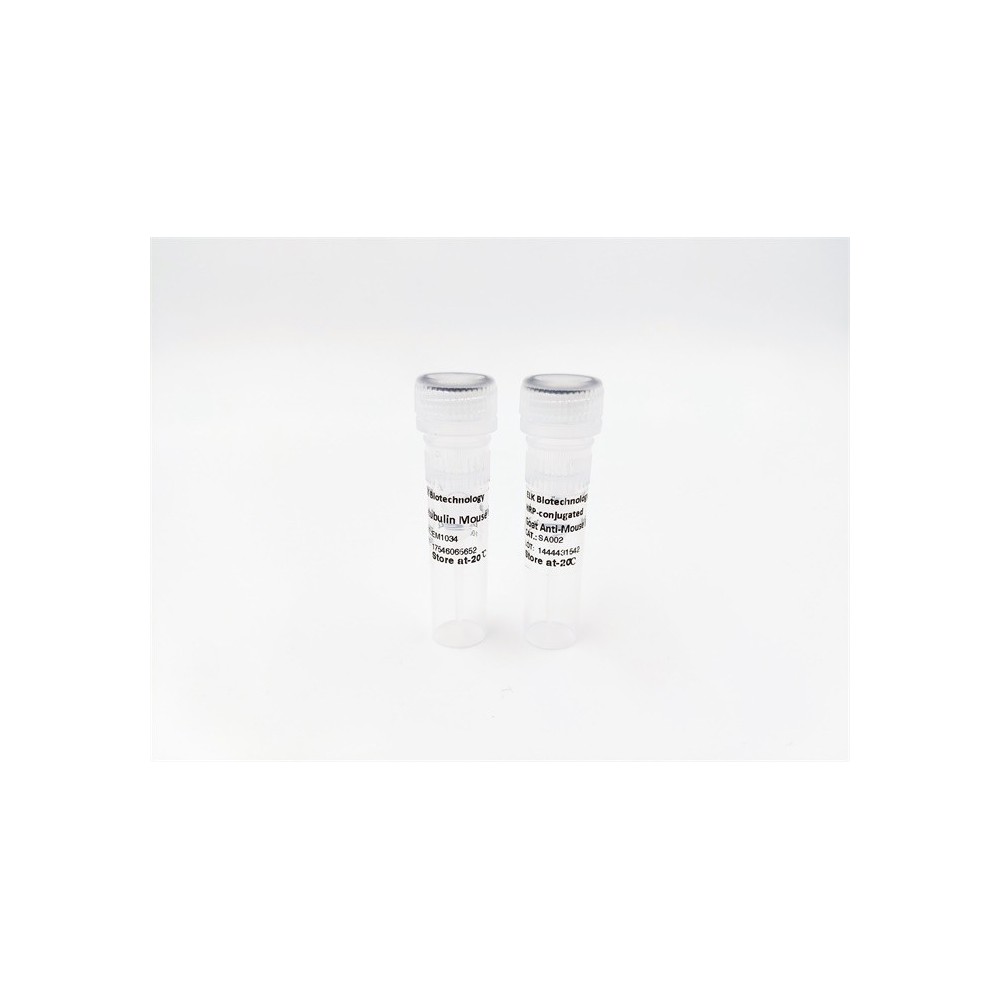

| ELK.No | ES7865 |
| Product name | SKI-1 rabbit pAb |
| Reactivity | Human;Mouse;Rat |
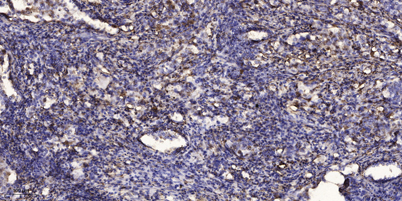
| Applications | WB;ELISA;IHC |
| Other name | MBTPS1; KIAA0091; S1P; SKI1; Membrane-bound transcription factor site-1 protease; Endopeptidase S1P; Subtilisin/kexin-isozyme 1; SKI-1 |
| Size | 50μL |
| Unit price ($) | 148 |
| Human gene ID | 8720 |
| Human Swiss-Prot | Q14703 |
| Source | Rabbit |
| Isotype | IgG |
| Target | SKI-1 |
| Fields | >>Protein processing in endoplasmic reticulum |
| Gene name | MBTPS1 |
| Protein name | Membrane-bound transcription factor site-1 protease |
| Human gene link | View Human Gene |
| Human Swiss link | View Human Swiss-Prot |
| Mouse gene ID | 56453 |
| Mouse gene link | View Mouse Gene |
| Mouse Swiss-Prot | Q9WTZ2 |
| Mouse Swiss link | View Mouse Swiss-Prot |
| Rat gene ID | 89842 |
| Rat gene link | View Rat Gene |
| Rat Swiss-Prot | Q9WTZ3 |
| Rat Swiss link | View Rat Swiss-Prot |
| Immunogen | Synthesized peptide derived from SKI-1 . at AA range: 180-260 |
| Specificity | SKI-1 Polyclonal Antibody detects endogenous levels of SKI-1 protein. |
| Formulation | Liquid in PBS containing 50% glycerol, 0.5% BSA and 0.02% sodium azide. |
| Clonality | Polyclonal |
| Dilution | WB 1:500-2000;IHC-p 1:50-300; ELISA 2000-20000 |
| Purification | The antibody was affinity-purified from rabbit antiserum by affinity-chromatography using epitope-specific immunogen. |
| Concentration | 1 mg/ml |
| Storage stability | -20°C/1 year |
| Molecular Weight (Da) | |
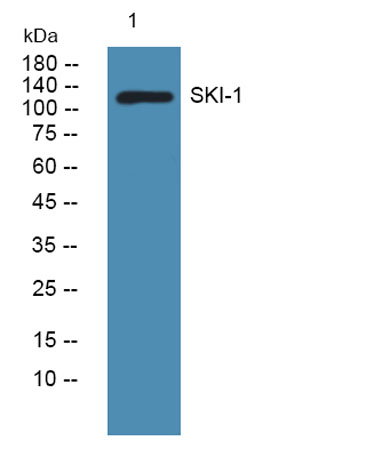
| Observed band (KD) | 130kD |
| Background | This gene encodes a member of the subtilisin-like proprotein convertase family, which includes proteases that process protein and peptide precursors trafficking through regulated or constitutive branches of the secretory pathway. The encoded protein undergoes an initial autocatalytic processing event in the ER to generate a heterodimer which exits the ER and sorts to the cis/medial-Golgi where a second autocatalytic event takes place and the catalytic activity is acquired. It encodes a type 1 membrane bound protease which is ubiquitously expressed and regulates cholesterol or lipid homeostasis via cleavage of substrates at non-basic residues. Mutations in this gene may be associated with lysosomal dysfunction. [provided by RefSeq, Feb 2014], |
| Function | catalytic activity:Processes precursors containing basic and hydrophobic/aliphatic residues at P4 and P2, respectively, with a relatively relaxed acceptance of amino acids at P1 and P3.,cofactor:Calcium.,enzyme regulation:Inhibited by divalent copper and zinc ions, but not by nickel or cobalt. Inhibited by its prosegment, but not smaller fragments thereof.,function:Catalyzes the first step in the proteolytic activation of the sterol regulatory element-binding proteins (SREBPs). Other known substrates are BDNF and ATF6. Cleaves after hydrophobic or small residues, provided that Arg or Lys is in position P4. Cleaves known substrates after Arg-Ser-Val-Leu (SERBP-2), Arg-His-Leu-Leu (ATF6), Arg-Gly-Leu-Thr (BDNF) and its own propeptide after Arg-Arg-Leu-Leu.,induction:Down-regulated by sterols.,PTM:The 148 kDa zymogen is processed progressively into two membrane-bound 120 and 106 kDa forms i |
| Subcellular location | Endoplasmic reticulum membrane ; Single-pass type I membrane protein . Golgi apparatus membrane ; Single-pass type I membrane protein . May sort to other organelles, including lysosomal and/or endosomal compartments. . |
| Expression | Widely expressed. |

Use collapsible tabs for more detailed information that will help customers make a purchasing decision.
Ex: Shipping and return policies, size guides, and other common questions.