 Français
 English
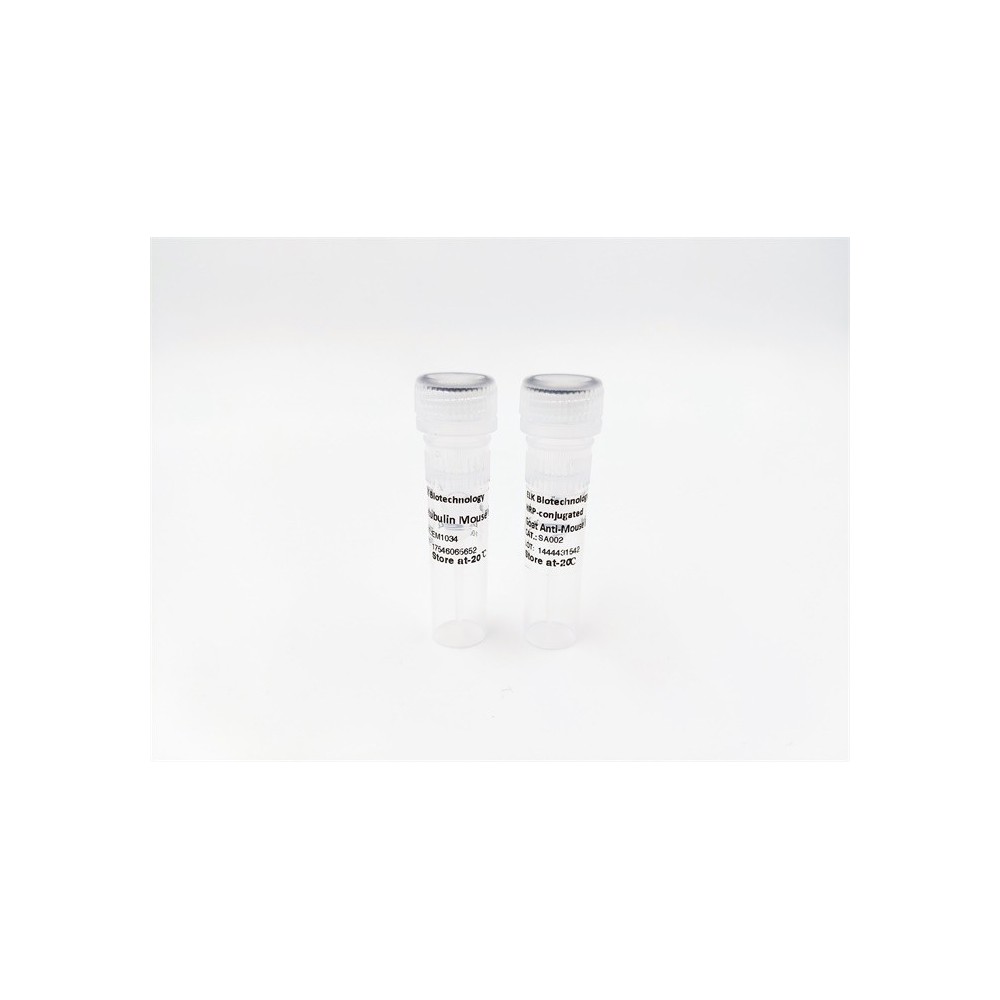

| ELK.No | ES8414 |
| Product name | CD206 rabbit pAb |
| Reactivity | Human;Mouse;Rat |
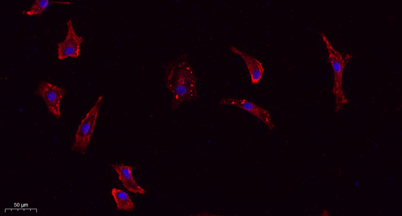
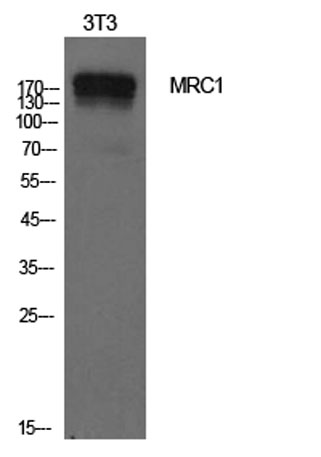
| Applications | WB;IHC;IF;ELISA |
| Other name | MRC1; CLEC13D; CLEC13DL; MRC1L1; Macrophage mannose receptor 1; MMR; C-type lectin domain family 13 member D; C-type lectin domain family 13 member D-like; Macrophage mannose receptor 1-like protein 1; CD206 |
| Size | 100μL |
| Unit price ($) | 248 |
| Human gene ID | 4360 |
| Human Swiss-Prot | P22897 |
| Source | Rabbit |
| Isotype | IgG |
| Target | CD206 |
| Fields | >>Phagosome;>>Tuberculosis |
| Gene name | MRC1 |
| Protein name | Macrophage mannose receptor 1 |
| Human gene link | View Human Gene |
| Human Swiss link | View Human Swiss-Prot |
| Mouse gene ID | 17533 |
| Mouse gene link | View Mouse Gene |
| Mouse Swiss-Prot | Q61830 |
| Mouse Swiss link | View Mouse Swiss-Prot |
| Rat gene ID | |
| Rat gene link | |
| Rat Swiss-Prot | |
| Rat Swiss link | |
| Immunogen | The antiserum was produced against synthesized peptide derived from the Internal region of human MRC1. AA range:341-390 |
| Specificity | CD206 Polyclonal Antibody detects endogenous levels of CD206 protein. |
| Formulation | Liquid in PBS containing 50% glycerol, 0.5% BSA and 0.02% sodium azide. |
| Clonality | Polyclonal |
| Dilution | Western Blot: 1/500 - 1/2000. IHC-p: 1:100-300 ELISA: 1/20000. IF 1:100-300 Not yet tested in other applications. |
| Purification | The antibody was affinity-purified from rabbit antiserum by affinity-chromatography using epitope-specific immunogen. |
| Concentration | 1 mg/ml |
| Storage stability | -20°C/1 year |
| Molecular Weight (Da) | |
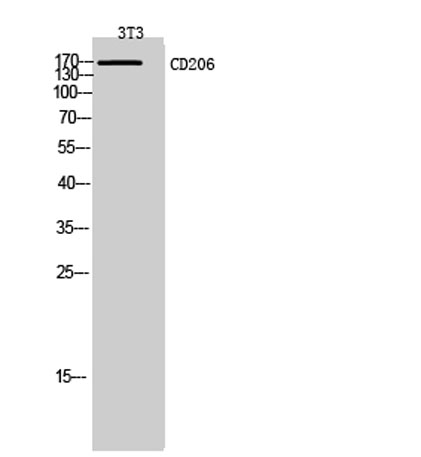
| Observed band (KD) | 170kD |
| Background | The recognition of complex carbohydrate structures on glycoproteins is an important part of several biological processes, including cell-cell recognition, serum glycoprotein turnover, and neutralization of pathogens. The protein encoded by this gene is a type I membrane receptor that mediates the endocytosis of glycoproteins by macrophages. The protein has been shown to bind high-mannose structures on the surface of potentially pathogenic viruses, bacteria, and fungi so that they can be neutralized by phagocytic engulfment.[provided by RefSeq, Sep 2015], |
| Function | function:Mediates the endocytosis of glycoproteins by macrophages. Binds both sulfated and non-sulfated polysaccharide chains. Acts as phagocytic receptor for bacteria, fungi and other pathogens.,miscellaneous:CRDs 1-3 have at most very weak affinity for carbohydrate. CRD 4 shows the highest affinity binding and has multispecificity for a variety of monosaccharides. At least 3 CRDs (4, 5, and 7) are required for high affinity binding and endocytosis of multivalent glycoconjugates.,online information:Macrophage mannose receptor,similarity:Contains 1 fibronectin type-II domain.,similarity:Contains 1 ricin B-type lectin domain.,similarity:Contains 8 C-type lectin domains., |
| Subcellular location | Endosome membrane ; Single-pass type I membrane protein . Cell membrane ; Single-pass type I membrane protein . |
| Expression | Milk,Placenta,Testis, |

Use collapsible tabs for more detailed information that will help customers make a purchasing decision.
Ex: Shipping and return policies, size guides, and other common questions.