 Français
 English

| ELK.No | EM1374 |
| Product name | ATG5 (3C7) Mouse mAb |
| Reactivity | Human, Mouse, Rat |
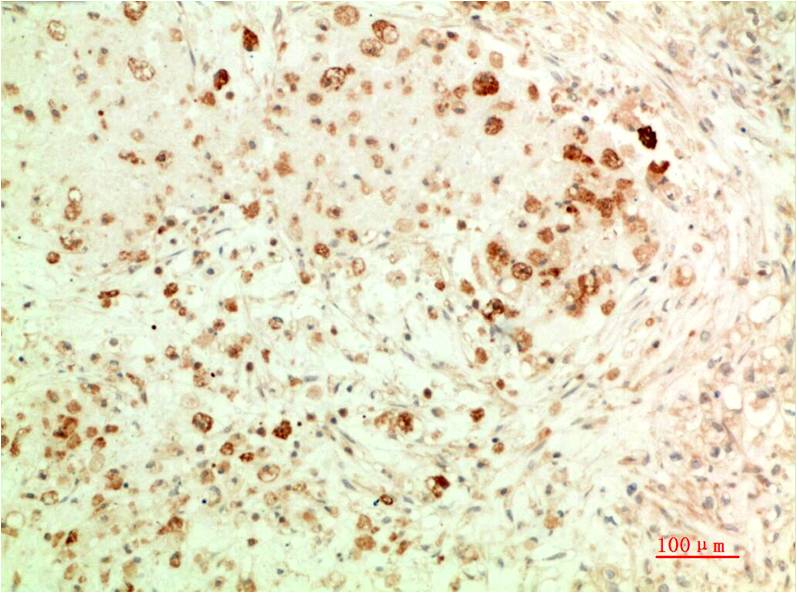
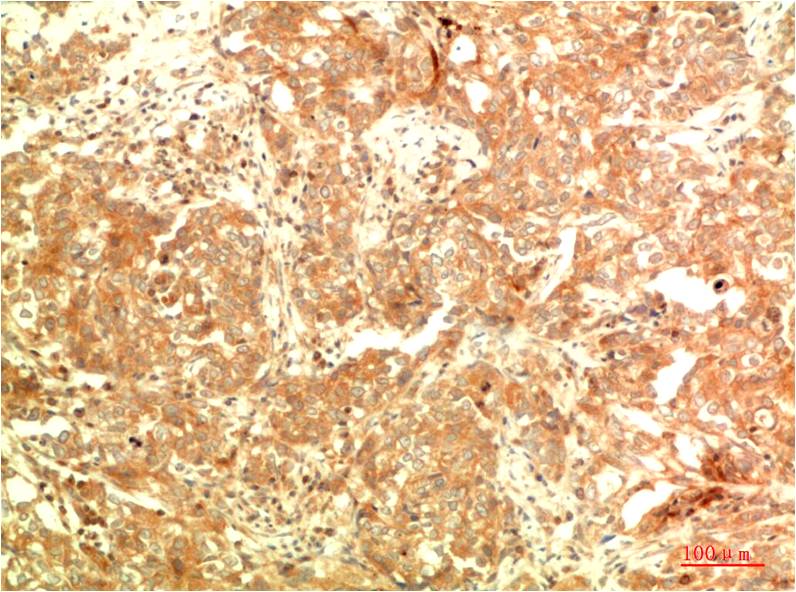
| Applications | WB, IHC |
| Other name | APG5, APG5L, ASP, Autophagy protein 5 antibody |
| Size | 100μL |
| Unit price ($) | 248 |
| Human gene ID | 9494 |
| Human Swiss-Prot | Q9H1Y0 |
| Source | Mouse |
| Isotype | IgG1 |
| Target | |
| Fields | |
| Gene name | |
| Protein name | |
| Human gene link | |
| Human Swiss link | |
| Mouse gene ID | |
| Mouse gene link | |
| Mouse Swiss-Prot | |
| Mouse Swiss link | |
| Rat gene ID | |
| Rat gene link | |
| Rat Swiss-Prot | |
| Rat Swiss link | |
| Immunogen | Recombinant Protein |
| Specificity | |
| Formulation | |
| Clonality | Monoclonal |
| Dilution | WB 1:5,000-10,000 IHC 1:100-200 |
| Purification | |
| Concentration | 1mg/mL |
| Storage stability | PBS with 0.02% sodium azide and 50% glycerol pH 7.4. Store at -20°C. Avoid repeated freeze-thaw cycles. |
| Molecular Weight (Da) | |
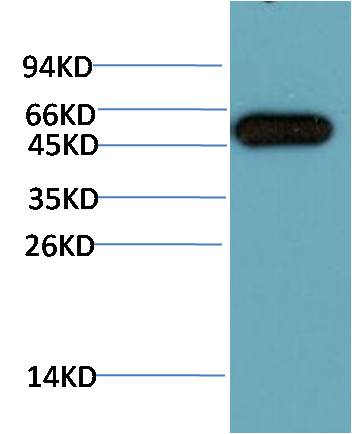
| Observed band (KD) | 55kDa |
| Background | Autophagy is generally activated by conditions of nutrient deprivation but has also been associated with a number of physiological processes including development, differentiation, neurodegeneration, infection, and cancer. Formation of the autophagosome involves a ubiquitin-like conjugation system in which Atg12 is covalently bound to Atg5 and targeted to autophagosome vesicles. This conjugation reaction is mediated by the ubiquitin E1-like enzyme Atg7 and the E2-like enzyme Atg10. |
| Function | |
| Subcellular location | Cytoplasm, Membrane |
| Expression |

Use collapsible tabs for more detailed information that will help customers make a purchasing decision.
Ex: Shipping and return policies, size guides, and other common questions.